SHOSTAKOVICH Symphonies Nos. 5,8 & 9 / Nelsons

DMITRI SHOSTAKOVICH
Under Stalin's Shadow

Symphonies Nos. 5,8 & 9
Incidental music to Hamlet

Boston Symphony Orchestra
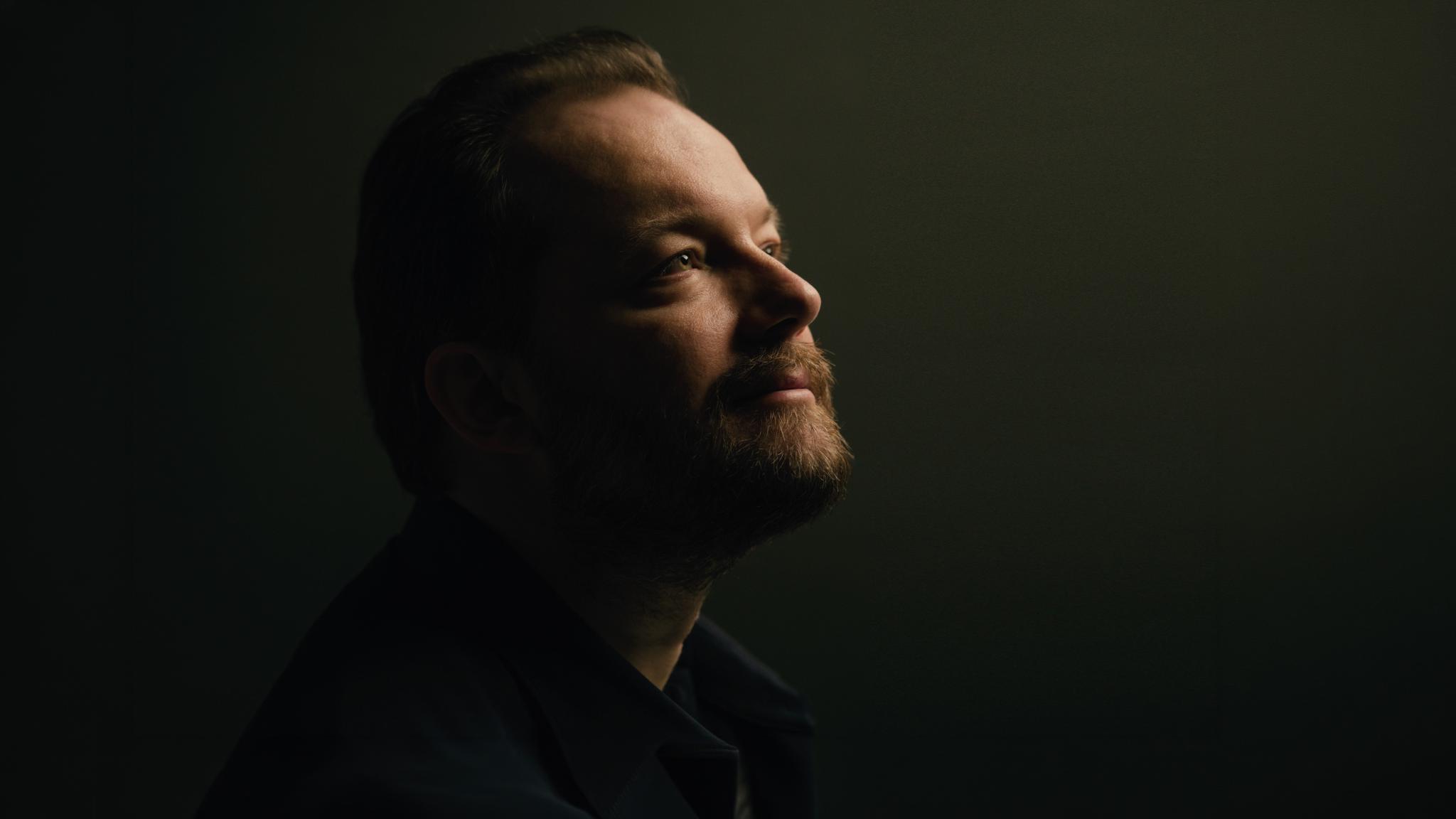
Andris Nelsons
Int. Release 27 May. 2016
2 CDs / Download
0289 479 5201 5


Track List

CD 1: Shostakovich Under Stalin's Shadow - Symphonies Nos. 5, 8 & 9; Suite From "Hamlet"

Dmitri Shostakovich (1906 - 1975)
Symphony No.9 In E Flat, Op.70

Symphony No.5 in D Minor, Op.47

8.
0:00
15:25

Boston Symphony Orchestra, Andris Nelsons

Total Playing Time 1:16:43

CD 2: Shostakovich Under Stalin's Shadow - Symphonies Nos. 5, 8 & 9; Suite From "Hamlet"

Dmitri Shostakovich (1906 - 1975)
Suite From Hamlet, Op.32a

Suite From Hamlet, Op.32a

Suite From Hamlet, Op.32a

Suite From Hamlet, Op.32a

Suite From Hamlet, Op.32a

Suite From Hamlet, Op.32a

Suite From Hamlet, Op.32a

Symphony No.8 In C Minor, Op.65

8.
0:00
26:44

11.
0:00
10:34

Boston Symphony Orchestra, Andris Nelsons

Total Playing Time 1:20:52

. . . played with insight and panache . . . [the performance Andris Nelsons] coaxes from his musicians is at the highest level and the deep soundstage of the recording makes it an excellent album for headphones . . . [Shostakovich 5]: Nelsons conducts with a storyteller's eye for detail. A passage near the end of the first movement . . . is dramatically poignant. In Nelsons' transparency, the soft pluck of a harp and the ping of a glockenspiel come into focus. Even menacing moments are judged for clarity . . . [Shostakovich 8]: Nelsons has a way with the BSO woodwinds as well . . . piccolos glare, double reeds converse in intimate asides and English horn player Robert Sheena gets plenty of space to breathe in his plaintive first movement solo . . . [Shostakovich 9]: [Nelsons lets] the BSO strings dance and sing while the brass wink and snarl . . .

[Shostakovich 9]: A stern-sounding fanfare -- the BSO horns have played brilliantly of late under the direction of the former trumpeter Nelsons -- makes the fourth movement, Largo, sound dramatic, but not tragic. The finale is a piece of concluding genius, played with professional exuberance . . . [Shostakovich 5]: The music is gripping, innately classical in concept, and full of originality. From the opening . . . listeners are engaged.

. . . this is music that seems to be very much a part of the orchestra's DNA. As far as individual readings go, the BSO's performances are highlighted by some staggeringly beautiful woodwind playing. This characteristic is fast becoming one of the hallmarks of Nelsons' early relationship with the BSO and here [the playing is simply fantastic: supple, colorful, and filled with character] . . . Strings sound rich and sturdy when called for (as in the Fifth's opening movements and the Eighth's middle ones) but also play with remarkable delicacy and vulnerability. It's particularly nice to get to hear Malcolm Lowe's accounts of these scores' many violin solos again. On the whole, Nelsons' approach to these symphonies is spacious and hands-off. This tack works particularly well in his conducting of some of the bigger movements . . . one hears the Russian Orthodox-like chorales near the beginning of that Fifth's devastating third movement in a very clear, potent way on this recording. When they're countered, after the movement's impassioned apex, with the desolate contrapuntal string passages that lead to its close, the whole thing takes on a deeply devotional, almost mystical quality: the anguish and pain the music expresses has rarely sounded as deeply personal and, simultaneously, all-embracing as it does here. That owes entirely to Nelsons' interpretation and the BSO's sensitive execution of it . . . If the first volume in this series announced that the orchestra's back after a hiatus, this latest one declares that it's here to stay for a while.

. . . [Nelsons is as effective in projecting Shostakovich's sardonic black humour] as he is in evoking his dark emotional inner world in the Fifth's adagio and the almost numbed quality at the end of the Eighth. The triumphalist finale of the Fifth -- blisteringly played -- is followed by wild applause, while the nothingness of the Eighth's close is greeted with appropriate silence. Great performances from a conductor and orchestra at the top of their game.

. . . a no-holds-barred experience . . . [Nelsons' performances here are] expansive, richly expressive, gathering huge power as they go . . . The playing (fine solo work) is top of the class. The live recordings are hair-raisingly vibrant.

Nelsons' Shostakovich 10 was a highlight of 2015, and this two-disc set is better still. This Ninth sold it for me: this underrated, blackly comic symphony receives one of the best performances I've heard. Everything is sharp, clean and suitably pokerfaced, until a manic third movement (complete with a stunning trumpet solo) really ups the ante. The finale's circus antics are both funny and chilling. This set would be worth buying for No. 9 alone . . . [Shostakovich 5]: the power and security of the Boston strings is a joy throughout . . . Shostakovich's "Largo" unfolds wonderfully, a potent blend of Mahler and Tchaikovsky . . . No. 8 is better still. The huge first movement never drags. The mechanistic trumpet solo in the central toccata is thrilling, and the "Passacaglia"'s magical shift into an uncertain C major is a wonderful moment. Live performances, captured in rich, detailed sound -- why hesitate?

["Hamlet"]: Nelsons and the BSO are on top form in these brief pieces . . . [Shostakovich 9]: The first movement opens in deft, upbeat fashion here, with the Boston strings and woodwinds offering expertly turned playing . . . Nelsons keeps the rhythms taut and crisp . . . a capering scherzo-like movement in which the Boston woodwinds are splendidly dexterous . . . the BSO plays the piece splendidly . . . [Shostakovich 5]: It seems to me that he doesn't put a foot wrong in terms of pacing and his vision of the music is backed up exceptionally well by the BSO . . . most impressive . . . [Shostakovich 8]: Throughout, the playing is deeply felt and technically beyond reproach . . . [1st movement]: This is an absolutely magnificent traversal of one of the composer's most inspired movements; it's a performance that shows the greatness of the music . . . This is a highly distinguished set. All four works are played superbly by the Boston Symphony and Andris Nelsons here confirms his growing reputation as one of the foremost Shostakovich conductors currently before the public . . . I'm pleased to confirm that having listened to the whole set on my own equipment I think that the engineers have achieved excellent results.

. . . stellar . . . [Nelsons gives the 5th Symphony] a lustrously translucent narrative, with thrilling tempos that never lose musical depth, even in the work's most sonic dimensions. Nelsons' conducts an equally thrilling performance of Symphony no. 9, bringing the composer's entire dramatic mystique to its full dimensions . . . [in Symphony No 8, the] BSO articulates the shifting seismic power, as well as its poetic fury and its searing compositional intimacy throughout the nearly hour long piece.

Nelsons is a stickler for rhythmic precision, and the crispness of the playing reminds me of the Chicago Symphony under Solti. In addition, Nelsons cultivates a vast range of dynamics that keeps the music alive in every bar. And then, there is the quality of the playing. The principal players are extraordinary . . . [Shostakovich 5]: Nelsons has a sure sense of tempo and builds climaxes inexorably. His players give him committed and virtuosic playing. The quiet ending of the first movement is beautifully judged and simply magical . . . [Shostakovich 9]: Nelsons and his players clearly enjoy themselves in this performance and give it unusual polish and virtuosity . . . ["Hamlet"]: it is music exceptionally well-played and well worth hearing. In sum, this set is a winner on all counts and leaves the listener wanting more.

. . . [Shostakovich 8]: alongside Nelsons's unique feeling for rubato, the sheer expressive beauty of the string playing, the constant surprises when the torch passes to the many aching or screaming woodwind solos and ensembles also represent a tonal sophistication . . . [Shostakovich 5]: there's no more expressive bassoon solo on CD, and the central "scherzo" is dazzling. Plenty of character, too, in extracts from the first set of "Hamlet" incidental music . . . the music-hall dances deliciously sly . . . hear the Eighth at any cost.

Nelsons lässt voll Drive und Leidenschaft aufspielen - und mit jenem Rest Understatement, der die Maskenhaftigkeit von Schostakowitschs Musik geradezu paradigmatisch herauspräpariert.

Dafür schafft er [Nelsons] mit dem Boston Symphony Orchestra einen leichten, transparenten Klang und wählt eher schnelle Tempi, ohne dabei an Intensität einzubüßen.

Selten hat Schostakowitsch so melodisch und friedvoll geklungen . . . Die hervorragenden Bläsersolisten tragen zum überragenden Klang dieser Aufnahme bei.

Le travail réalisé par Andris Nelsons est en tout point remarquable. Les instrumentistes solistes sont de très haute tenue. Il suffit d'écouter la virtuosité des bois dans le "Presto" de la "Neuvième Symphonie" pris à un tempo . . . affolant. Les cuivres se révèlent capables aussi bien de terribles déchaînements ainsi que de passages très légers. Les cordes ont à la fois force et couleur. L'ensemble des pupitres s'équilibrent et quiconque connait l'acoustique du Symphony Hall de Boston retrouvera l'impression d'espace qui la caractérise. Il y a de l'air entre les pupitres et les tutti respirent . . . La Suite de la musique de scène pour "Hamlet" surprend par sa truculence et donne envie de voir le film original. La faussement classique Neuvième Symphonie impressionne par sa virtuosité et ses fanfares pleines d'ironie et de morgue. La Cinquième Symphonie, l'oeuvre probablement la plus connue du compositeur, trouve ici toute sa dimension . . . De tels projets discographiques sont bien rares aujourd'hui et ce projet nous laisse entrevoir ce qui pourrait être la version de notre temps de ces chefs-d'oeuvre si personnels et si forts.

. . . l'étoffe sonore luminescente et aérée du Boston Symphony est merveilleusement captée . . . [Nelsons] élabore son discours à partir d'une modulation subtile du sentiment d'attente . . . [une menace diffuse] se dissimule sous la séduction du lyrisme: quasi murmurés parfois, toujours admirablement conduits, le "Largo" de la "Symphonie no. 5", les mouvements extrêmes de la "8e" sont de bons exemples de cette approche. Concentré, sans pathos, le chef letton montre en tout cas combien cette musique lui parle; chaque détail est parfaitement agencé au sein de l'ensemble; il ne perd aucune occasion de creuser ou dégager un accent, de contraster timbres et couleurs -- bois, cuivres, percussions! -- à la facon d'un jeu, presque d'une géographie sonore. La 9e, l'irrésistible Suite "d'Hamlet" (très sollicités, les solistes y donnent le meilleur d'eux-mêmes avec une liberté palpable), l'Allegretto de la 5e, assument cette dimension . . . Comme toujours sous cette baguette très physique, les carrures sont pleines, le volume de jeu, le relief sonore et l'échelle dynamique impressionnent. On suit le texte pas à pas, fasciné, tant tous ses détails et conséquences sont mis en pleine lumière . . . la direction est ici toujours claire, projetée sur le long terme . . . Qu'il nous fasse percevoir et comprendre à quel point il s'agit là, d'abord et simplement, d'une musique extraordinaire, est une immense vertu.

  • Andris Nelsons & BSO - Shostakovich's Symphony No. 5 - Under Stalin's Shadow (Trailer)

    After a scandalously successful (Sunday Times) release of Symphony No. 10 and Passacaglia from Lady Macbeth of Mtsensk in 2015 this is the second instalment of a long-term collaboration with the Boston Symphony Orchestra - America's most cultured orchestra (BBC Music Magazine) - and one of the most exciting young conductors of our time, Andris Nelsons. It is released worldwide on May 27!