With surprisingly well-paced drama and fine singers (Lehane and Popp are outstanding), the performance is astonishingly up-to-date, in well remastered stereo sound.
. . . [the] return [of this fine performance] to the catalogue is most welcome. Maureen Forrester's rich, lustrous tone brings an ideal gravity to the role of Serse . . . the Canadian contralto's musicianship, vocal power and ability to spin out amazingly long phrases always win the day. It is pure joy to hear Lucia Popp's girlish Romilda, recorded at the beginning of her career . . . Her voice is fresh, effortlessly produced and used with the sensitivity and musicality that would always characterize her singing. Melismatic passages, such as those found in "Se l'idol mio," are rendered flawlessly and with deceptive ease, and her singing is completely free of the "note squeezing" mannerism she would later develop. Marilyn Tyler is superb as Romilda's sister Atalanta, her dusky soprano providing a clear contrast to Popp's gleaming tone, and she exhibits an impressive range up to a brilliantly finessed high D in the final cadenza of "Voi mi dite." Distinguished vocal contributions also come from Maureen Lehane as Arsamene, particularly impressive in rapid-fire coloratura, and Mildred Miller as the perpetually disguised Amastre. Thomas Hemsley and Owen Brannigan are satisfactory as Ariodate and Elviro, respectively. Conductor Brian Priestman's tempos seem spot-on throughout the work, and he leads the Vienna Radio Orchestra -- playing on modern instruments -- in a surprisingly stylish performance for this vintage. Martin Isepp's harpsichord riffs are inventive and always enjoyable, if occasionally rather amusingly over the top. The stereo sound, newly remastered from original master tapes, is mostly superb, with plentiful orchestral detail and a robust lower range, although occasionally some very mild distortion dims the brilliance of the higher frequencies. The wide soundstage employed suggests character movement, and several sound effects are used to add further theatricality . . . Popp's angelic offstage singing at the beginning of the opera is beautifully realized, with a glowing aura of ambience surrounding the voice. It is totally believable that Serse could fall in love with Romilda at first listen -- just as one will probably fall in love with the many charms of this performance.
. . . Brian Priestman's excellent modern-instrument performance of Handel's "Serse" . . . The performance is outstanding, with a starry cast including Maureen Forrester, Lucia Popp, and Owen Brannigan.
. . . allein die außergewöhnlichen Leistungen von Maureen Forrester (Serse) und Lucia Popp (Romilda), die sich mit großer Stimmkultur und viel Esprit durch die wirren Liebesabenteuer des Perserkönigs Xerxes singen, [rechtfertigen] die auch klangtechnisch überzeugende Wiederveröffentlichung.
. . . je ne vois pas meilleur "Serse". Tessitures, orchestration, édition, tout crie l'amour et le respect . . . Maureen Forrester rappelle ce que primo uomo veut dire du chant, du feu, de la stature, le mariage de la transe et de l'académie.
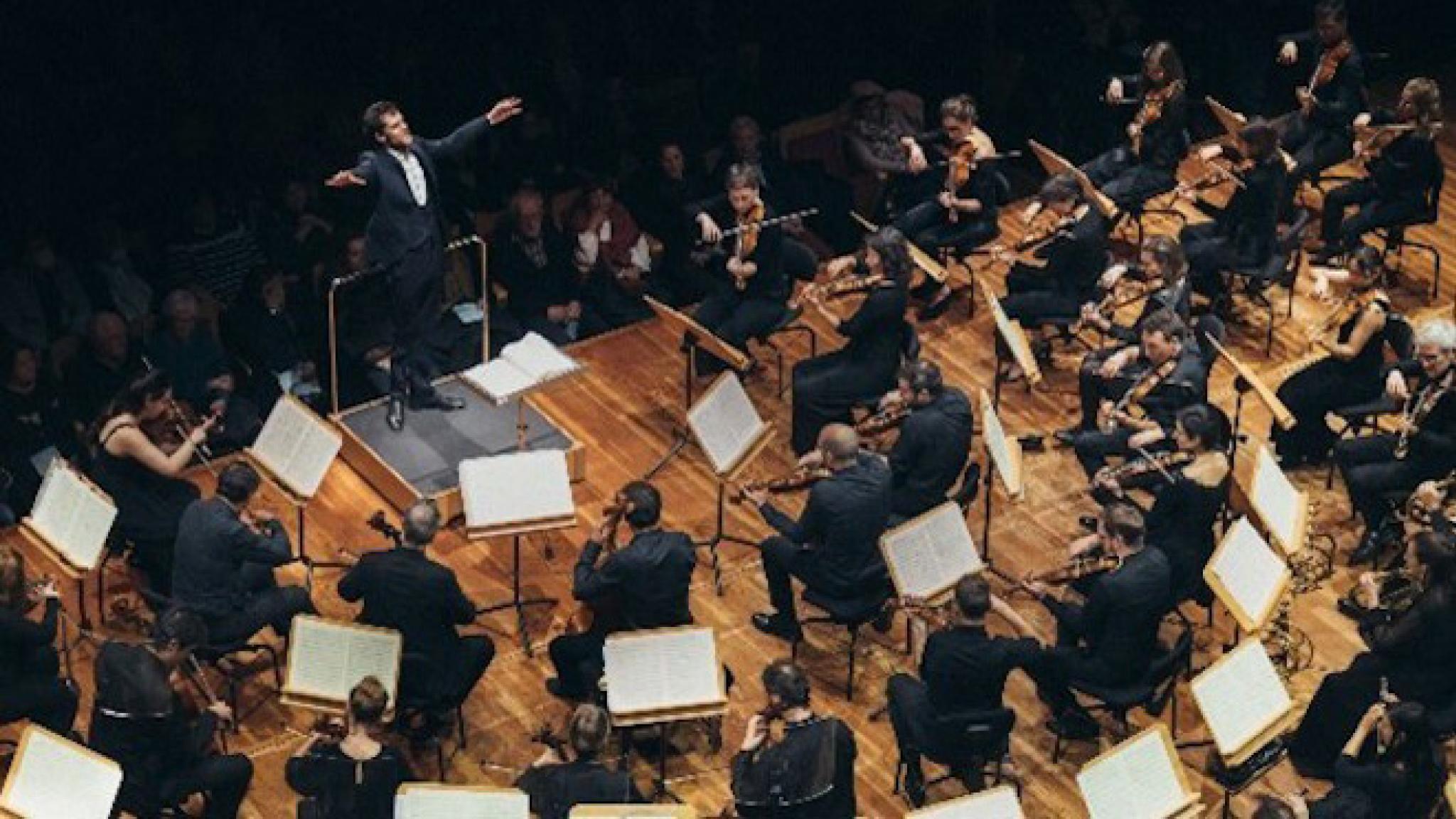
Maureen Forrester, Thomas Hemsley, Maureen Lehane, Lucia Popp, Mildred Miller, Owen Brannigan, Marilyn Tyler, Vienna Radio Orchestra, Brian Priestman, Martin Isepp