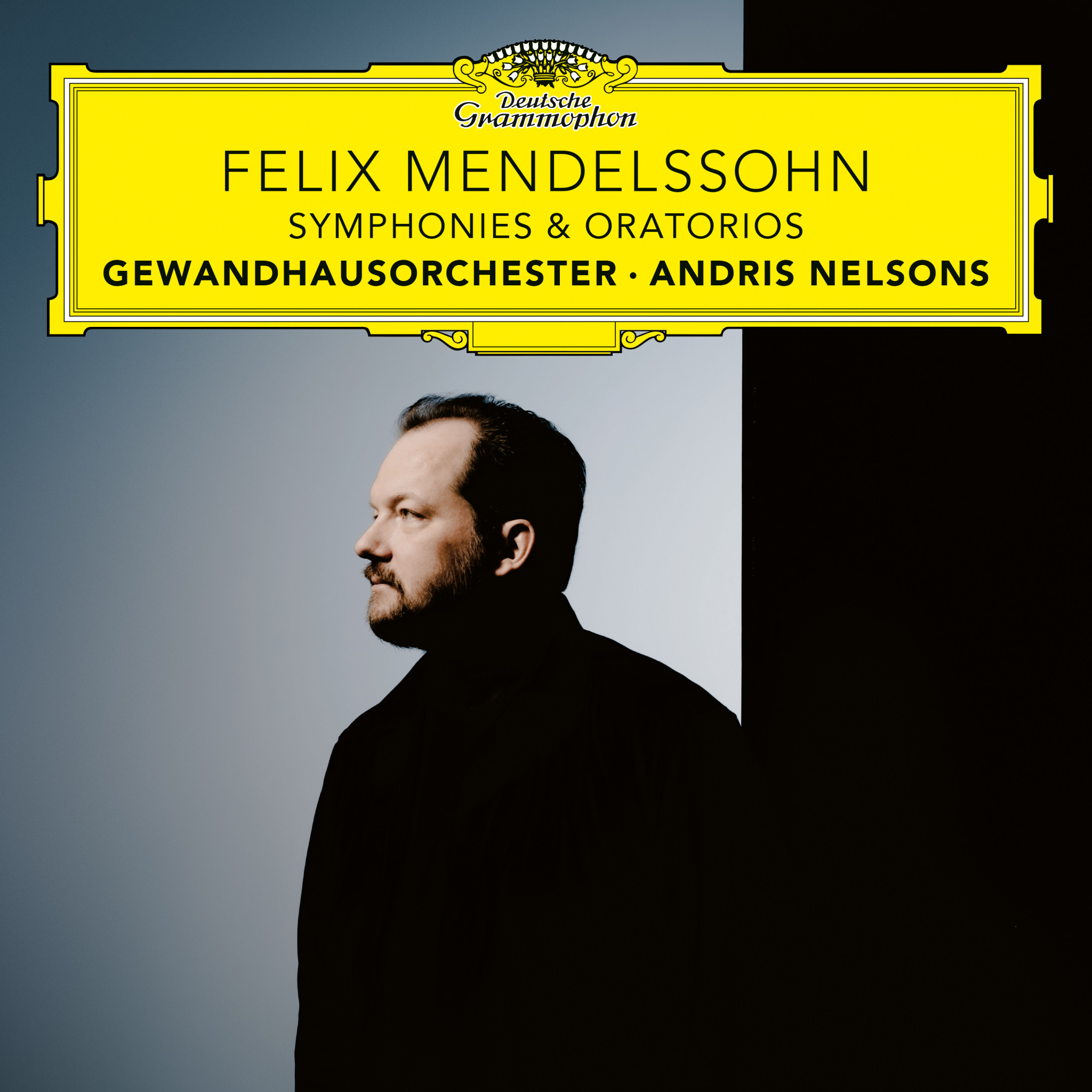
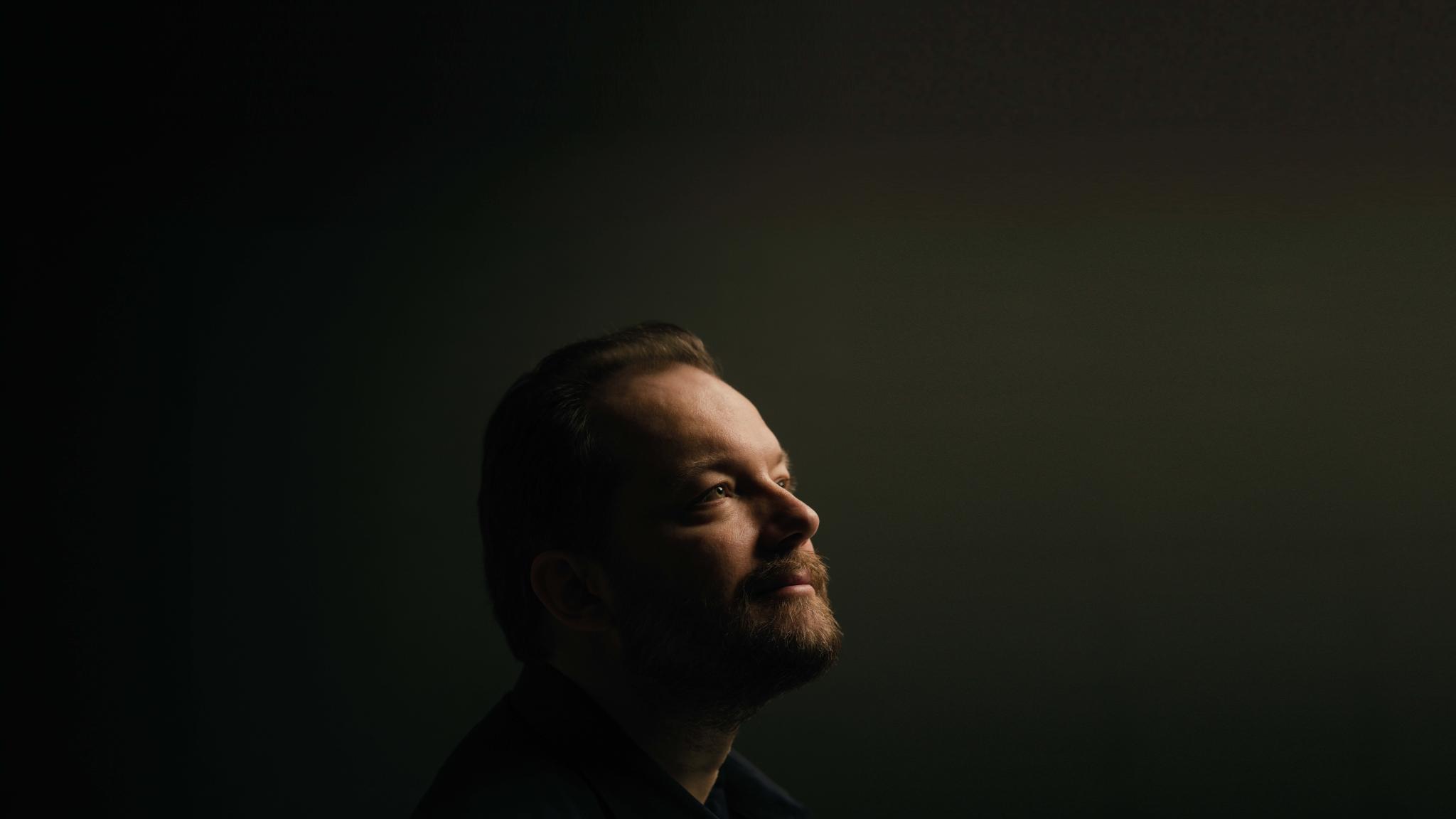
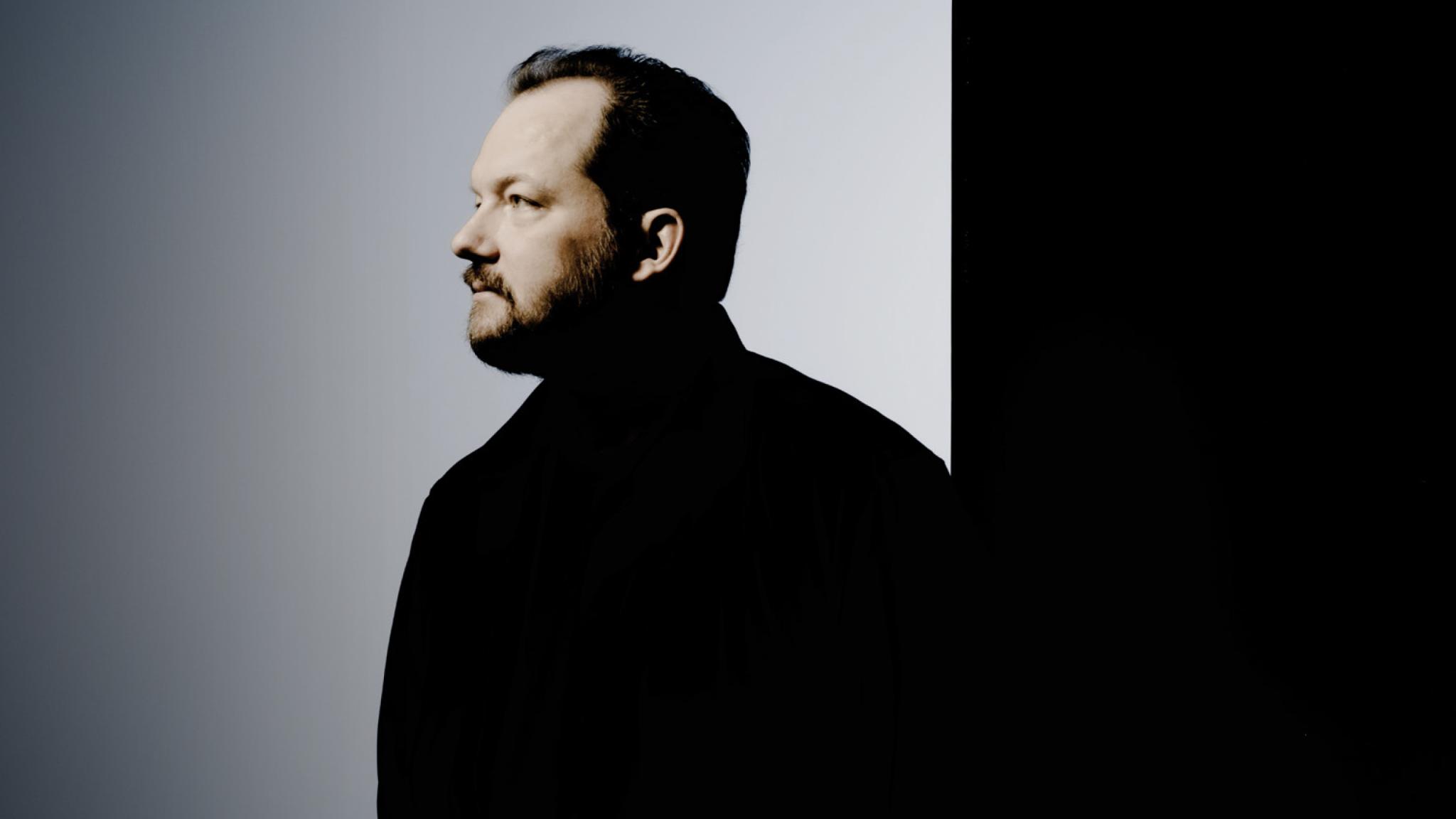
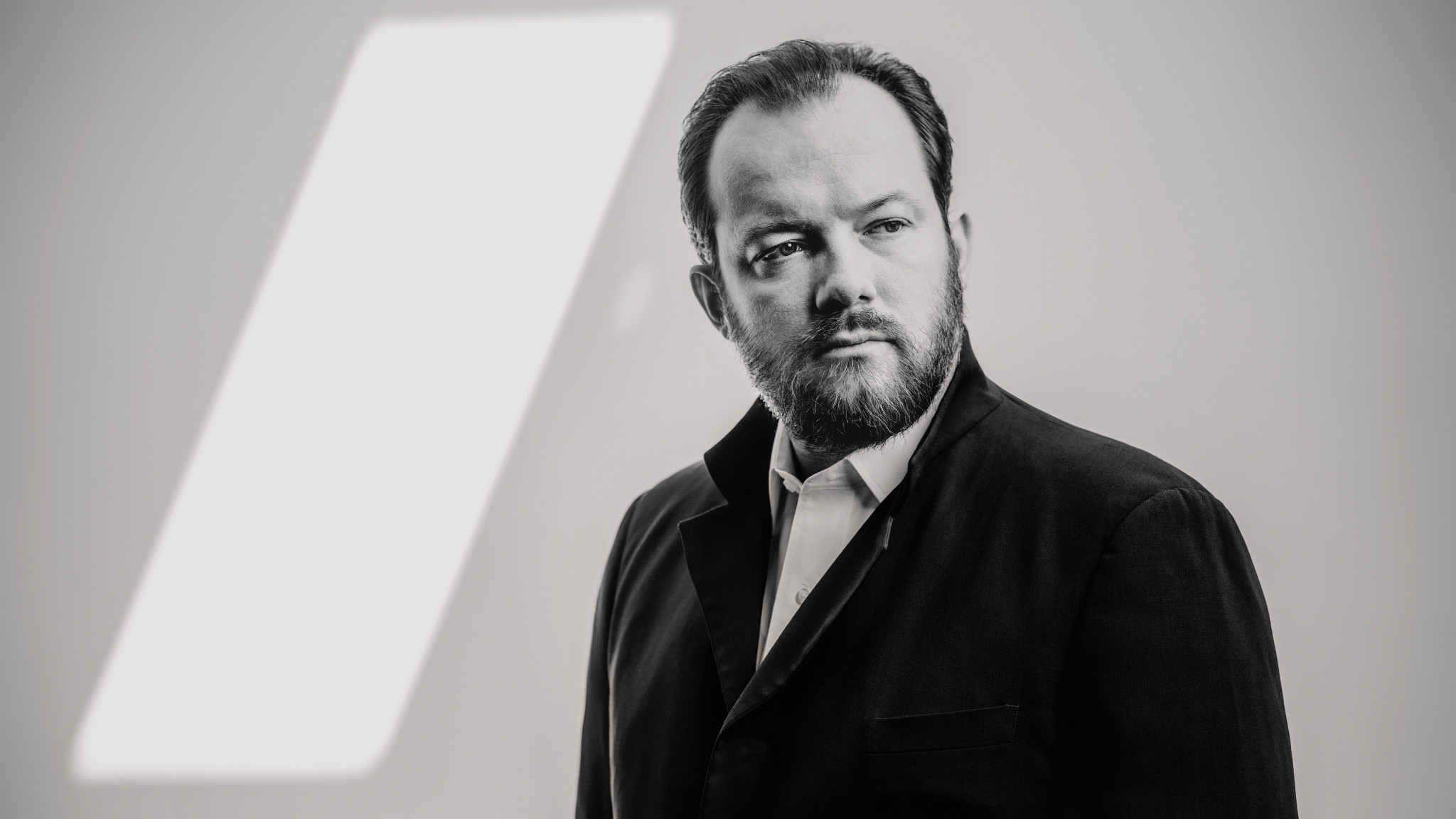
Andris Nelsons and the Gewandhausorchester Record Mendelssohn’s Symphonies & Oratorios
Adding to their acclaimed DG discography, Nelsons and the Gewandhausorchester present a
7CD set of Mendelssohn’s five symphonies and two completed oratorios, Elijah and St Paul
Theirs will be the first full-length recording of St Paul to enter the DG catalogue
The oratorios and choral Symphony No. 2 feature a stellar cast of soloists,
including Andrè Schuen, Golda Schultz and Georg Zeppenfeld, as well as the MDR-Rundfunkchor
The Mendelssohn compilation will be released worldwide on 27 March 2026
Of all Andris Nelsons’ predecessors as Gewandhauskapellmeister in Leipzig, none is more illustrious than Felix Mendelssohn, who directed the Gewandhausorchester between 1835 and 1847. Now Nelsons and his players celebrate the composer and his wide-ranging influence on the orchestra and the city’s cultural life more generally with a new set of recordings for Deutsche Grammophon. Their generous collection encompasses his five symphonies and two completed oratorios, Elijah and St Paul, the latter new to the label’s catalogue.
Nelsons and the orchestra are joined by the MDR-Rundfunkchor in the oratorios (both sung in German) and Symphony No. 2, “Lobgesang” (Hymn of Praise). The soloists are sopranos Elsa Benoit and Christiane Karg (Symphony No. 2), Julia Kleiter (St Paul), Golda Schultz (Elijah); alto Wiebke Lehmkuhl (St Paul, Elijah); tenor Werner Güra (all three works); baritone and Andrè Schuen (Elijah) and bass Georg Zeppenfeld (St Paul).
The recordings will be released digitally and as a 7CD capbox set on 27 March 2026. Three tracks will be issued for streaming/download before that date: the second movements of the “Scottish” Symphony (6 February) and Symphony No. 1 (27 February), and the Overture to St Paul (13 March).
“It has been a great pleasure and privilege to record these masterpieces with the Gewandhausorchester Leipzig. Felix Mendelssohn’s long relationship with the city of Leipzig can still be heard in the orchestra’s unique sound quality and has led to a deeply held musical tradition like no other,” says Andris Nelsons. “Discovering the incredible versatility of Mendelssohn’s music through his symphonies and oratorios has been a fascinating and joyous experience. From moments of real spirituality and solemnity to unbridled and euphoric joy, Mendelssohn is a composer to suit every mood and personality, speaking to all of us across borders and cultures. I would like to thank the wonderful musicians of the Gewandhausorchester Leipzig for their superb artistry, and our teams at the Gewandhaus and Deutsche Grammophon for their tremendous work on these recordings. I am excited to share this beautiful box set with our audiences.”
Still only 26 when he began his association with Leipzig, Mendelssohn over the next 12 years shaped not only the sound and style of the Gewandhausorchester, but also its repertoire, notably reviving the music of Bach as well as championing that of his own contemporaries – Schubert, Schumann, Berlioz and Liszt, among others. In these recordings, Nelsons both explores the connections with the past and brings his own creative insight and energy to bear on Mendelssohn’s choral and orchestral writing.
The composer’s St Paul (1836) and Elijah (1846) played a key role in the revival of the oratorio genre. It was with the former, a moving and Bachian portrayal of the martyrdom of Stephen and subsequent conversion and ministry of Saul (St Paul), that Mendelssohn gave his last public performance in Leipzig – a charity concert on Good Friday 1847, six months before his death. Moving from the New Testament to the Old, he composed Elijah for the 1846 Birmingham Music Festival and conducted its triumphant premiere himself. As he wrote to his brother afterwards, so intent were all present on the performance that “not the slightest sound was to be heard among the whole audience”, allowing him to “sway at pleasure the enormous orchestra and choir”.
Mendelssohn’s five symphonies (not numbered in order of composition) span a period of almost 20 years, from the youthful No. 1 in C minor of 1824 to the much-loved No. 3 in A minor, “Scottish” (premiered by the Gewandhausorchester in 1842). They bookend the “Reformation” Symphony of the early 1830s (No. 5), a celebration of Lutheran Protestantism; the “Italian” Symphony of 1833 (No. 4), a collection of musical souvenirs of Mendelssohn’s travels around Italy; and the choral “Lobgesang” of 1840 (No. 2), a much larger-scale work written to mark the 400th anniversary of Gutenberg’s invention of movable type and only the second ever “choral” symphony, after Beethoven’s Ninth.
Nelsons and the Gewandhausorchester return to Mendelssohn’s music in Leipzig early in 2026. Together with the MDR-Rundfunkchor and soloists Nikola Hillebrand, Catriona Morison, Werner Güra, Matthias Goerne and Alexander Grassauer, they perform the composer’s unfinished third oratorio, Christus; his setting of Psalm 42; and the secular cantata Die erste Walpurgisnacht (5, 6 & 8 February).