CHOPIN & SCRIABIN PRELUDES
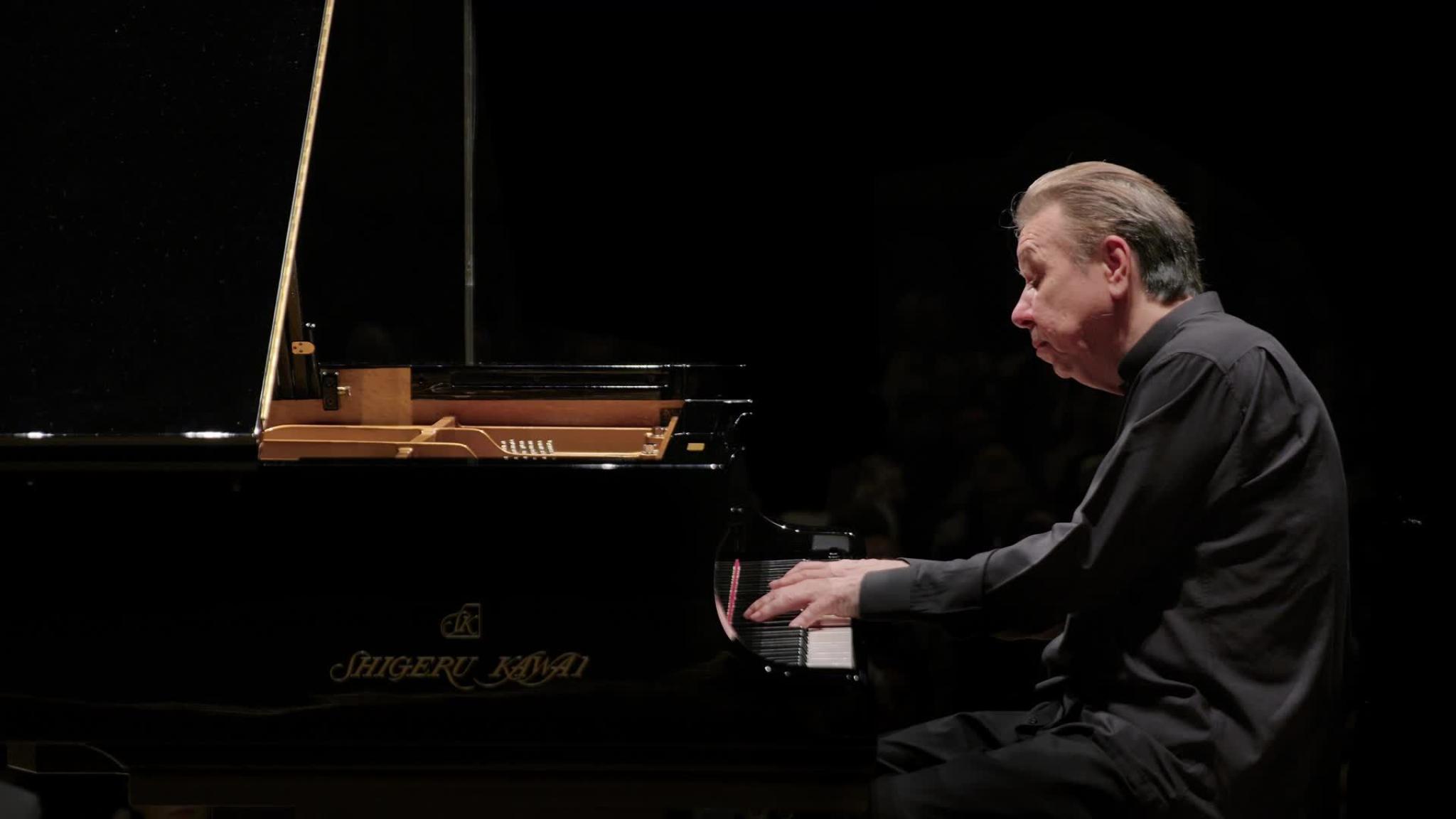
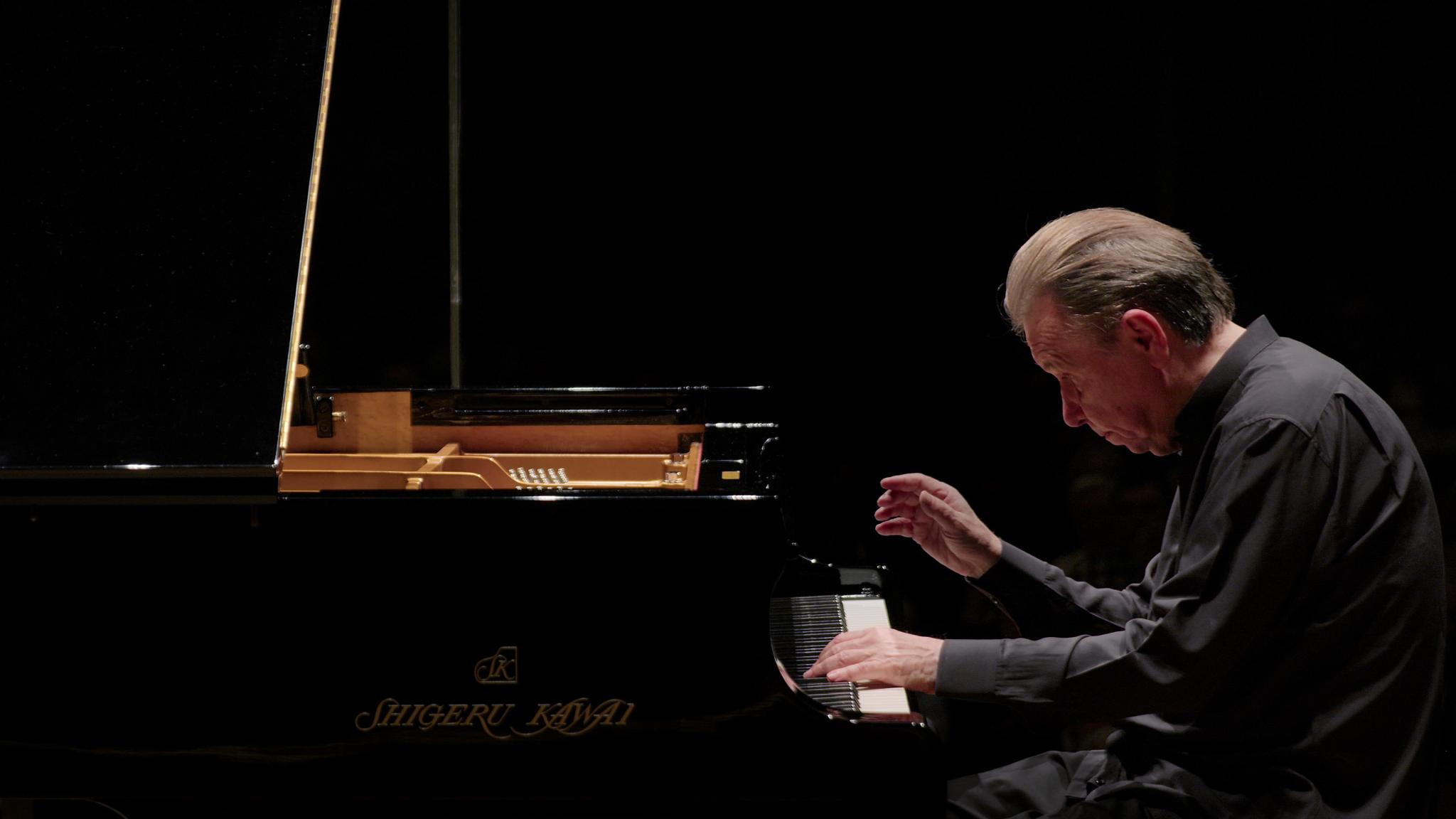
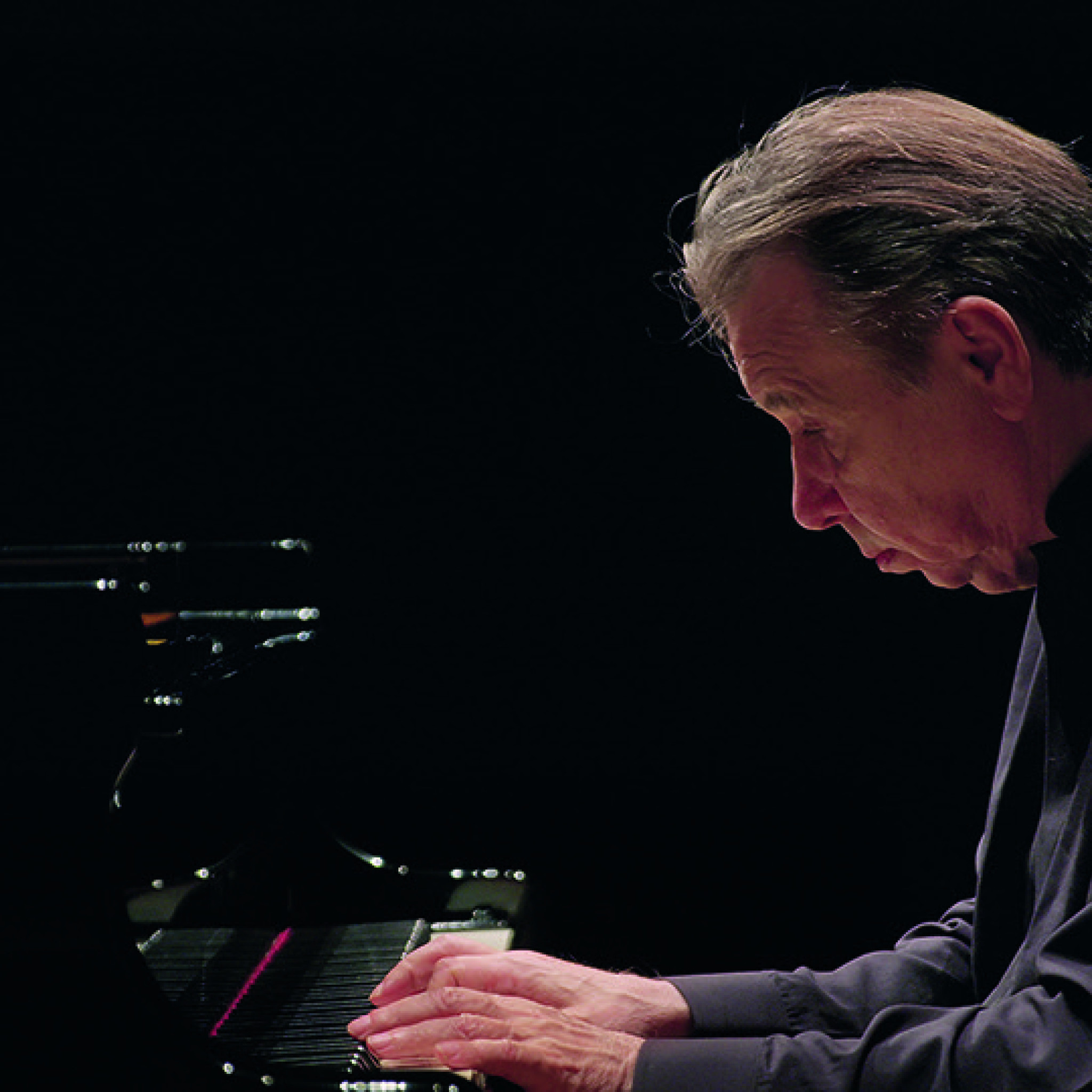
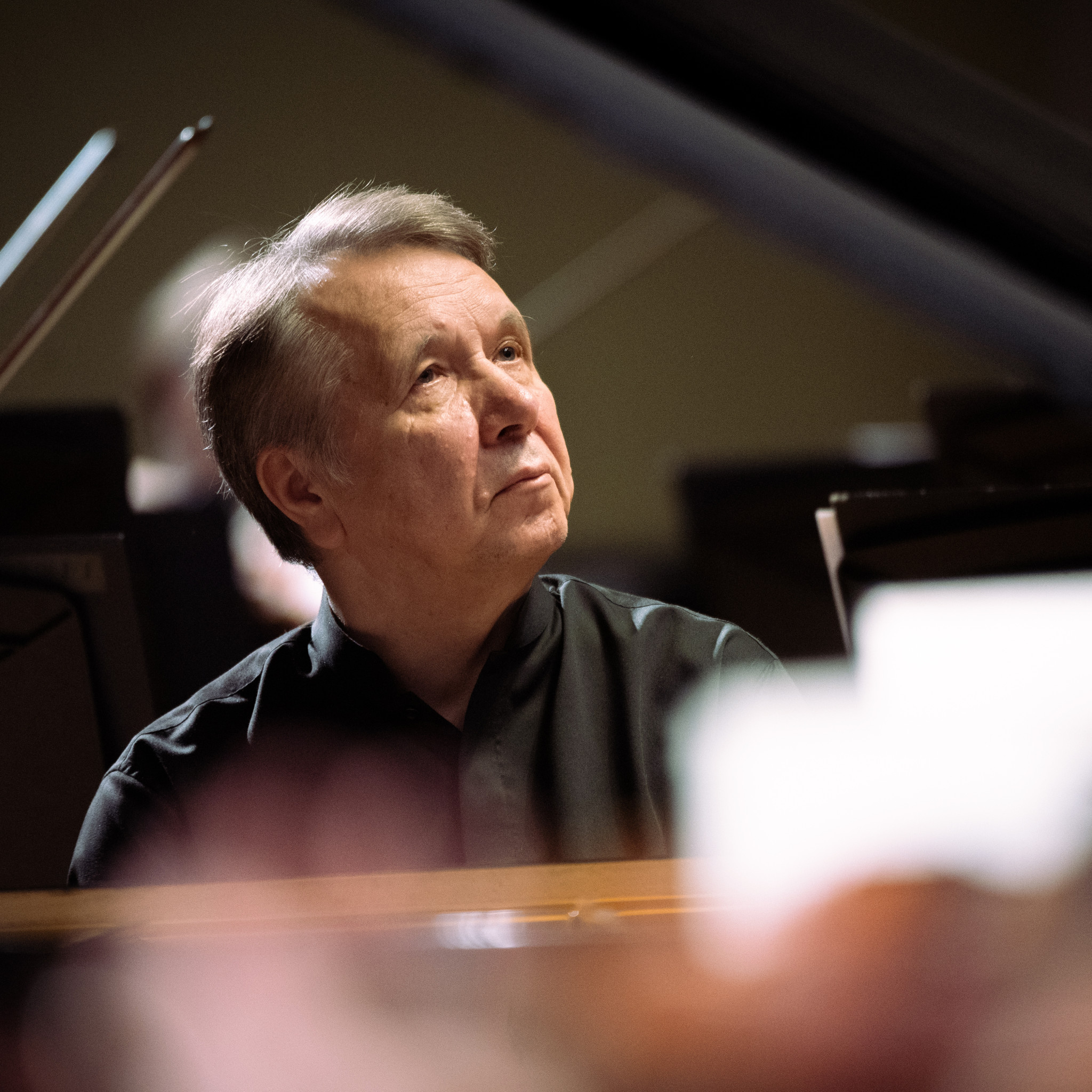
Mikhail Pletnev
Frédéric Chopin: 24 Preludes, Op. 28
Alexander Scriabin: 24 Preludes, Op. 11

for classical music


More news from Mikhail Pletnev
Show all


Biography
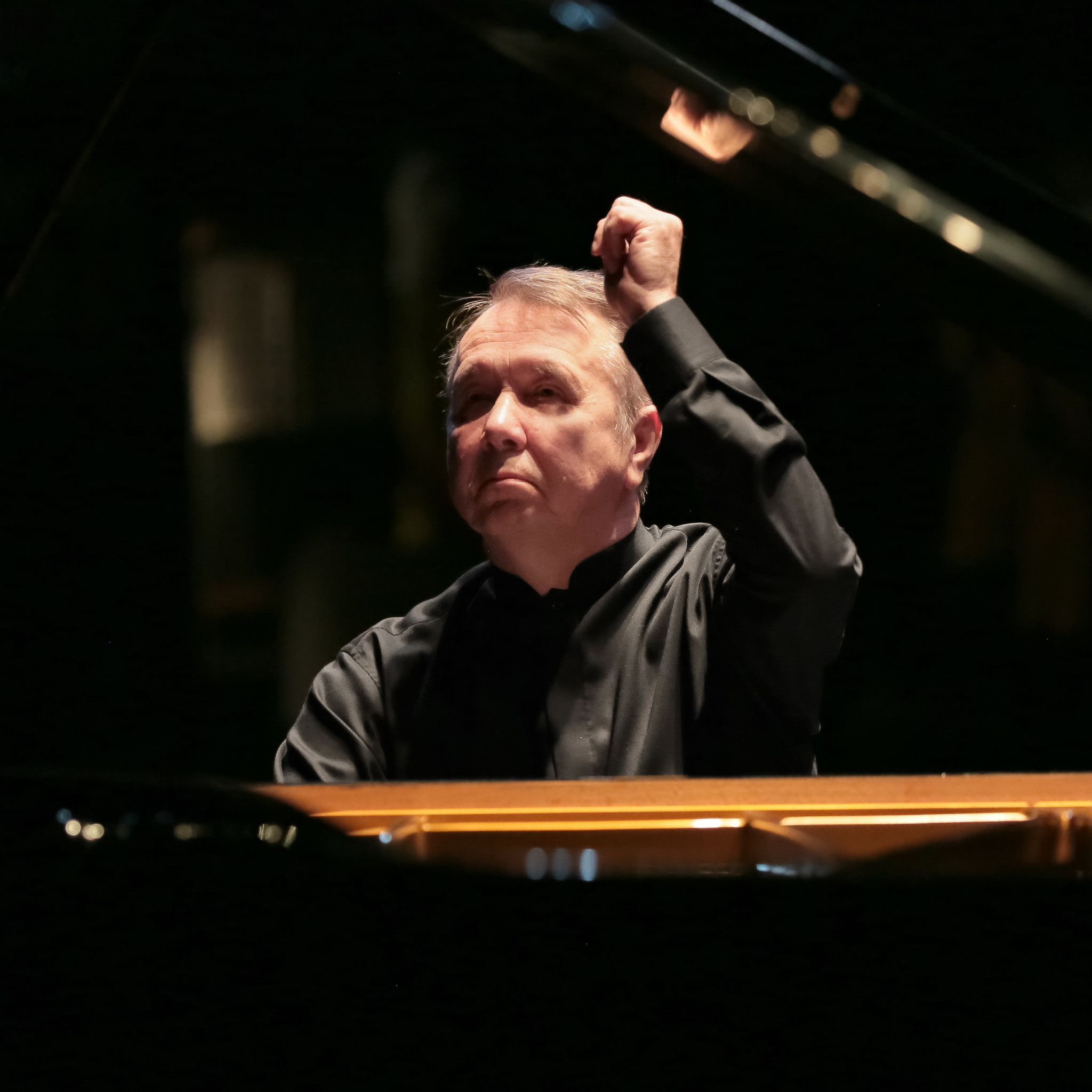
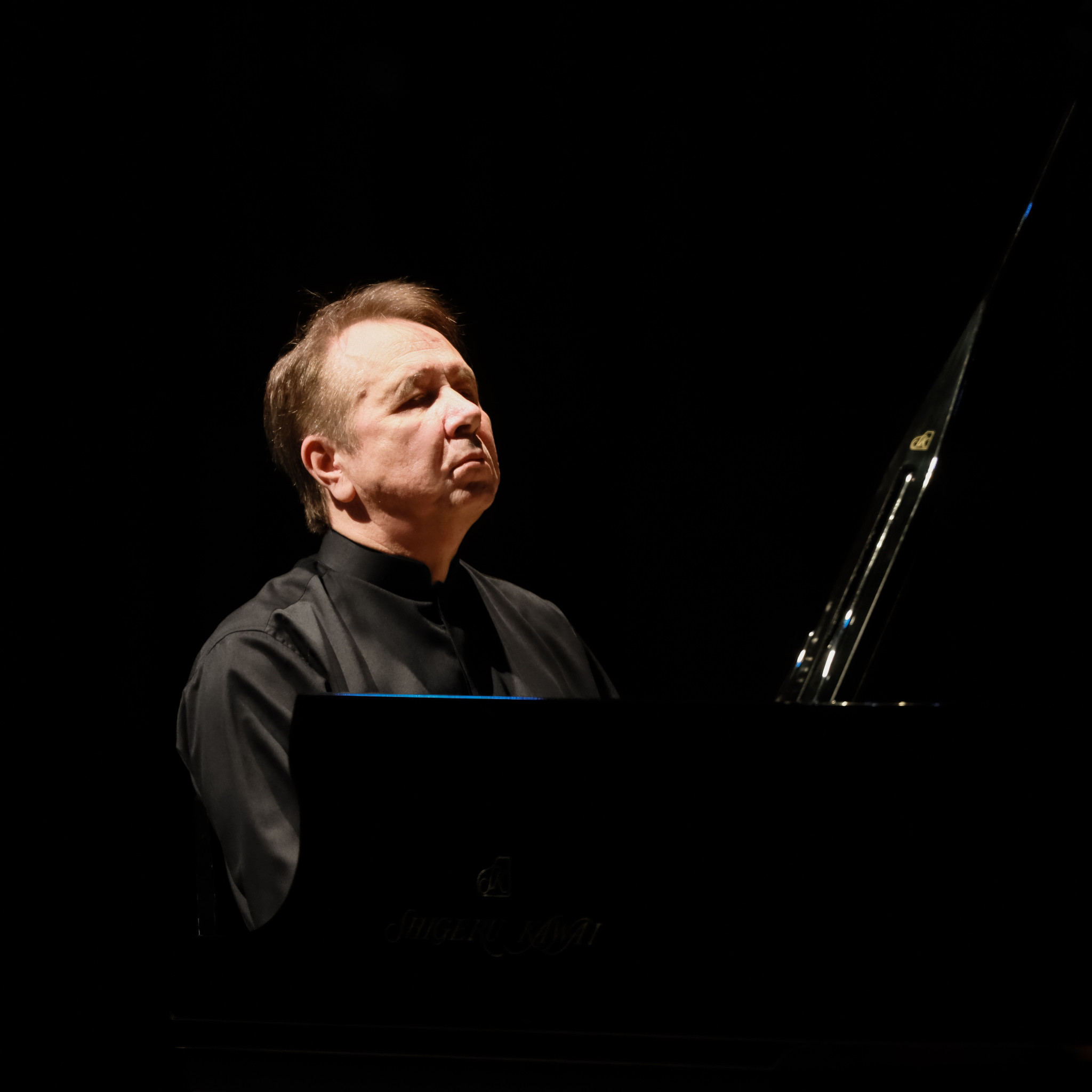
Russian pianist, conductor and composer Mikhail Pletnev stands today among the greatest all-round artists of our time, a performer blessed with the power to enchant audiences and reveal astonishing depths of expression. Music comes to life whenever he performs, as if being made for the first time. What emerges is never predictable yet always remains true to the composer’s intentions. The natural heir to a tradition exemplified by Rachmaninoff and Prokofiev, Pletnev continues to grow in stature as a strikingly insightful interpreter of the music of others and as creator of new work that speaks to the heart. “The spirit of music,” he says, “lies not inside but outside the notes.”
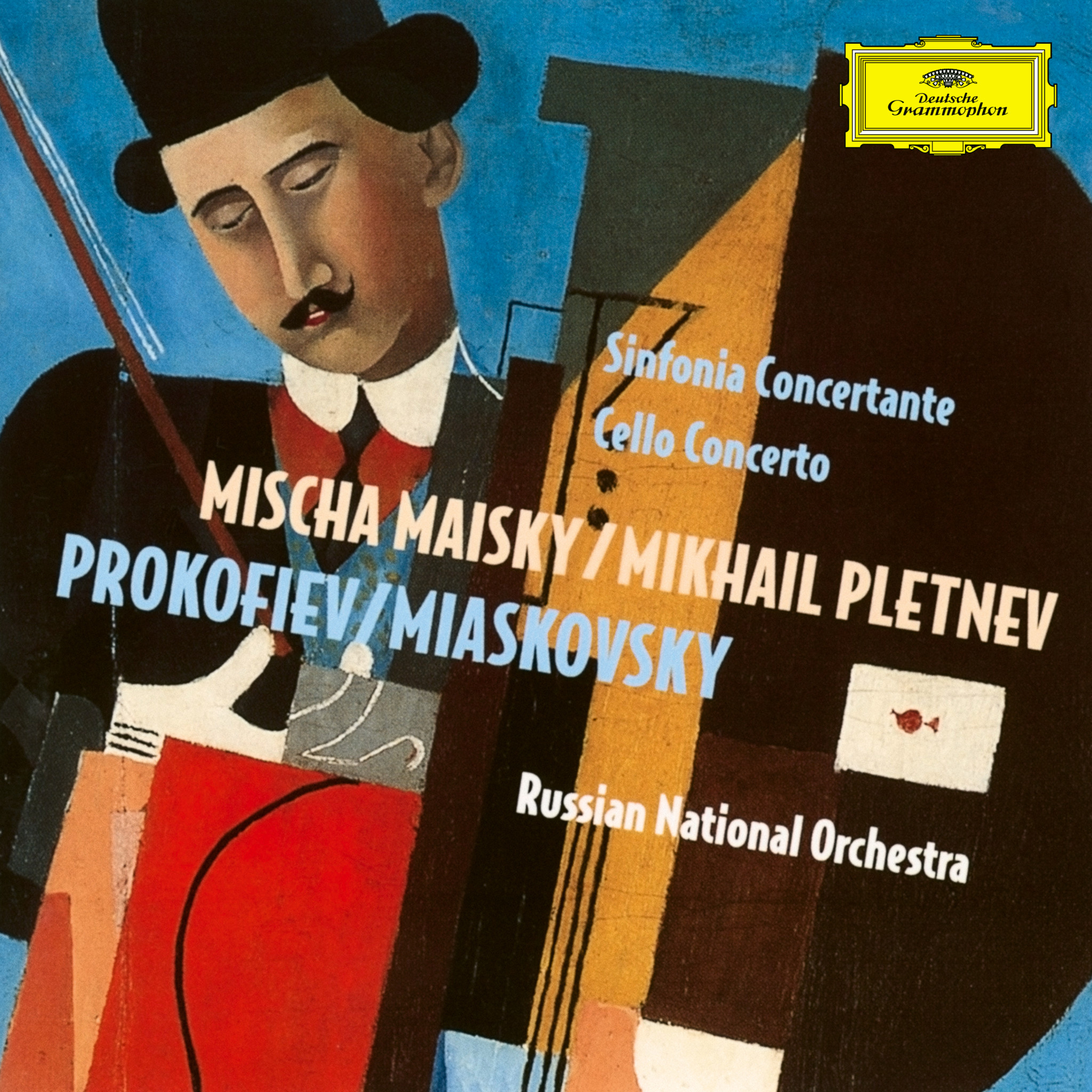
Pletnev signed an exclusive contract with Deutsche Grammophon in 1993. Over the next decade he added more than 40 critically acclaimed recordings as pianist and conductor to its catalogue. His DG discography began with the release in 1994 of three remarkable albums in which he conducted the Russian National Orchestra (RNO), an ensemble he had founded four years earlier. The first album, recorded in the Great Hall of the Moscow Conservatory, coupled Rachmaninoff’s evergreen Second Symphony with the composer’s early symphonic poem The Rock. This was followed in close succession by Tchaikovsky’s Manfred Symphony and an album of Russian overtures.
Other highlights include Prokofiev’s ballet Cinderella (1995); Tchaikovsky’s six symphonies and other orchestral works (1996–98), and The Sleeping Beauty (1999); Scriabin’s Symphonies No. 3 and No. 4, The Poem of Ecstasy (1999); Rachmaninoff’s Symphony No. 1 and The Isle of the Dead (2000), and choral symphony The Bells (2001); and Beethoven’s nine symphonies (2007) and five piano concertos (2007–08). Pletnev’s recordings for the Yellow Label as solo pianist are equally distinguished. His first recital album, an all-Chopin programme (1997), was followed by Liszt’s monumental Piano Sonata in B minor (1998). He paid homage to Rachmaninoff in 1999 with the release of an album built around the composer’s Variations on a Theme of Corelli and Études-Tableaux (1999) and won glowing accolades for his recording of C.P.E. Bach’s Sonatas and Rondos (2001) with playing hailed by BBC Music Magazine for its “translucent wit and mercurial poetry”.
In 2005 Pletnev’s transcription for two pianos of Prokofiev’s Cinderella Suite, Op. 87 and Ravel’s original four-hand version of Ma mère l’Oye, recorded with Martha Argerich, received the Grammy Award for Best Chamber Music Performance, having already won Diapason d’or and Choc du Monde de la musique awards and the Preis der deutschen Schallplattenkritik. A Gramophone Award followed for his recording of Taneyev’s Piano Quintet and Piano Trio (2005).
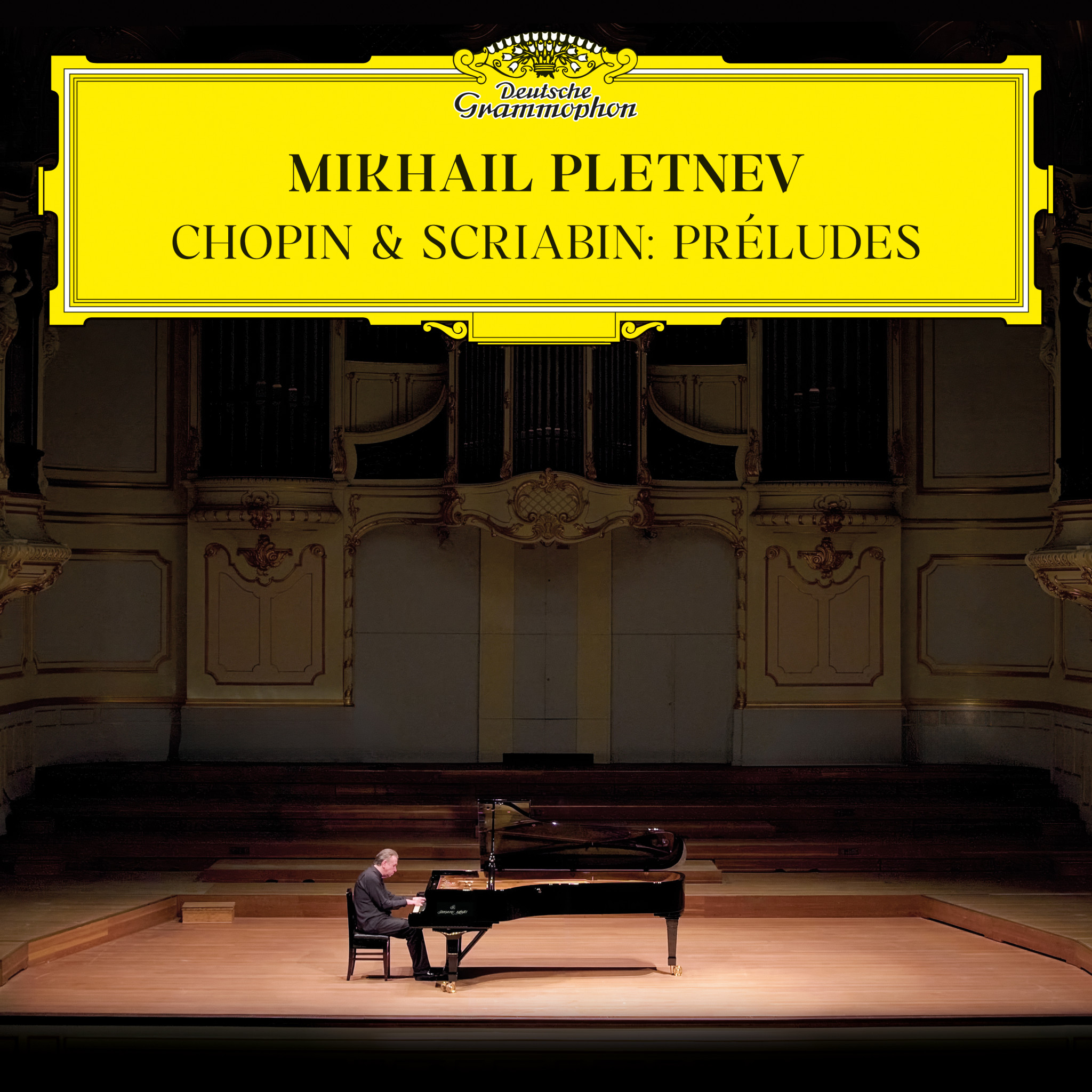
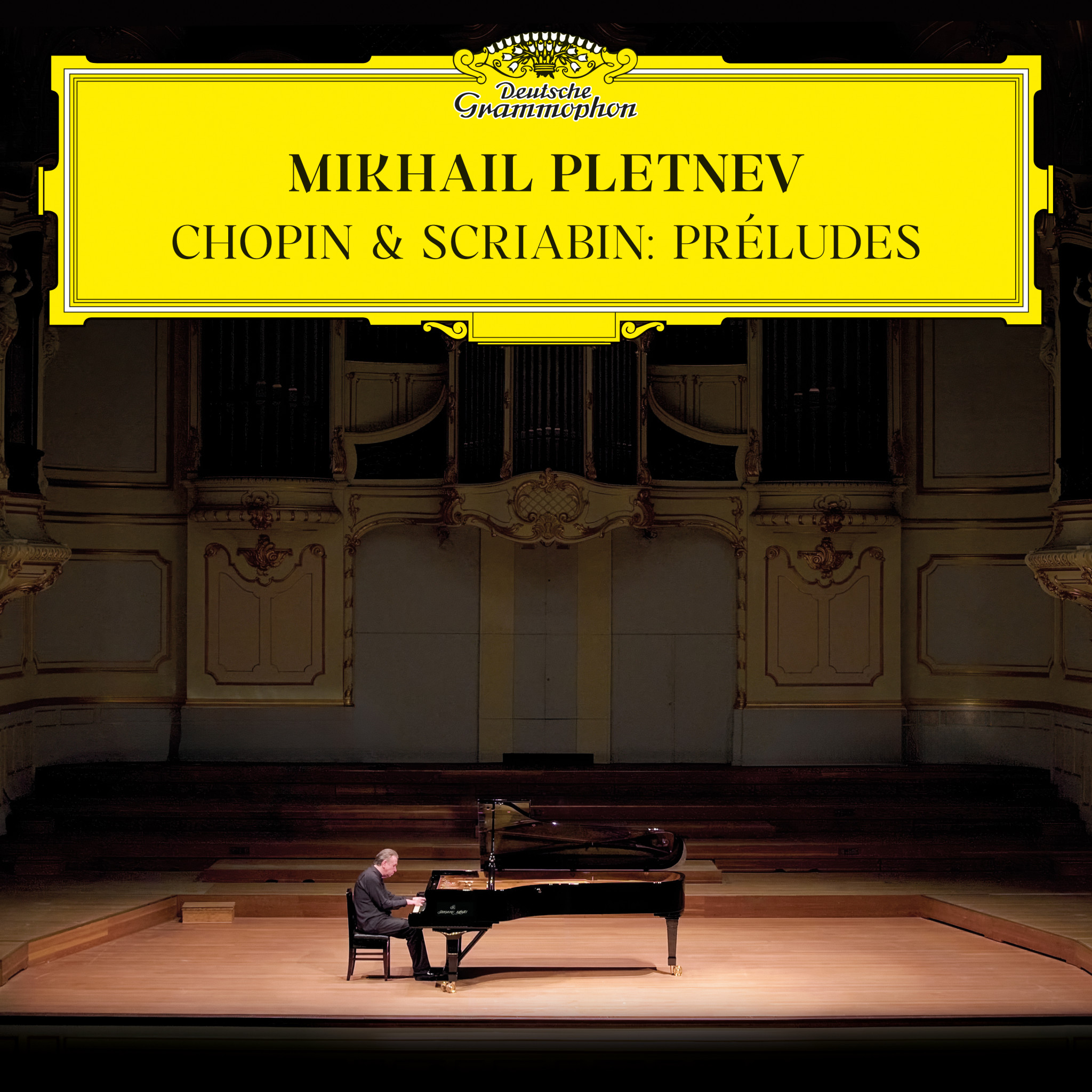
Pletnev returned to Deutsche Grammophon in 2025 after a two-decade absence. He marked the occasion with an album of Preludes by Chopin and Scriabin, set down in one 4½-hour session and scheduled for release on 5 December. In addition to being recorded in high-resolution digital audio, the music was also captured on analogue master tapes to become the first new pure analogue DG recording to be made since the 1980s.
Mikhail Pletnev was born in 1957 in Arkhangelsk to musician parents. His exceptional musical talent, apparent from early childhood, was refined during studies at the Moscow Central Music School and the Moscow Conservatory. International attention followed the 21-year-old pianist’s Gold Medal and First Prize-winning performance at the 1978 Tchaikovsky International Piano Competition; he made his debut in the United States the following year and began to tour beyond the borders of the Soviet Union. He made his conducting debut on home soil in 1980 and gained invaluable experience as guest conductor over the following decade.
Pletnev’s friendship with Soviet President Mikhail Gorbachev was formed in 1988, following his performance in Washington D.C. during a superpower summit. This relationship proved instrumental in his decision, two years later, to establish the RNO, the first fully independent orchestra in Russia since the 1917 Revolution. Despite the challenges posed by the economic and social upheaval after the collapse of the Soviet Union, Pletnev attracted exceptional musicians to the RNO and achieved international recognition for the ensemble through their extensive tours and recordings.
As a guest conductor, he has worked with many leading orchestras, including the Tokyo Philharmonic Orchestra, of which he was named Special Guest Conductor in 2015. He also directed the Mahler Chamber Orchestra in Daniil Trifonov’s 2017 DG recording of Chopin’s Piano Concertos (with Pletnev’s orchestrations).
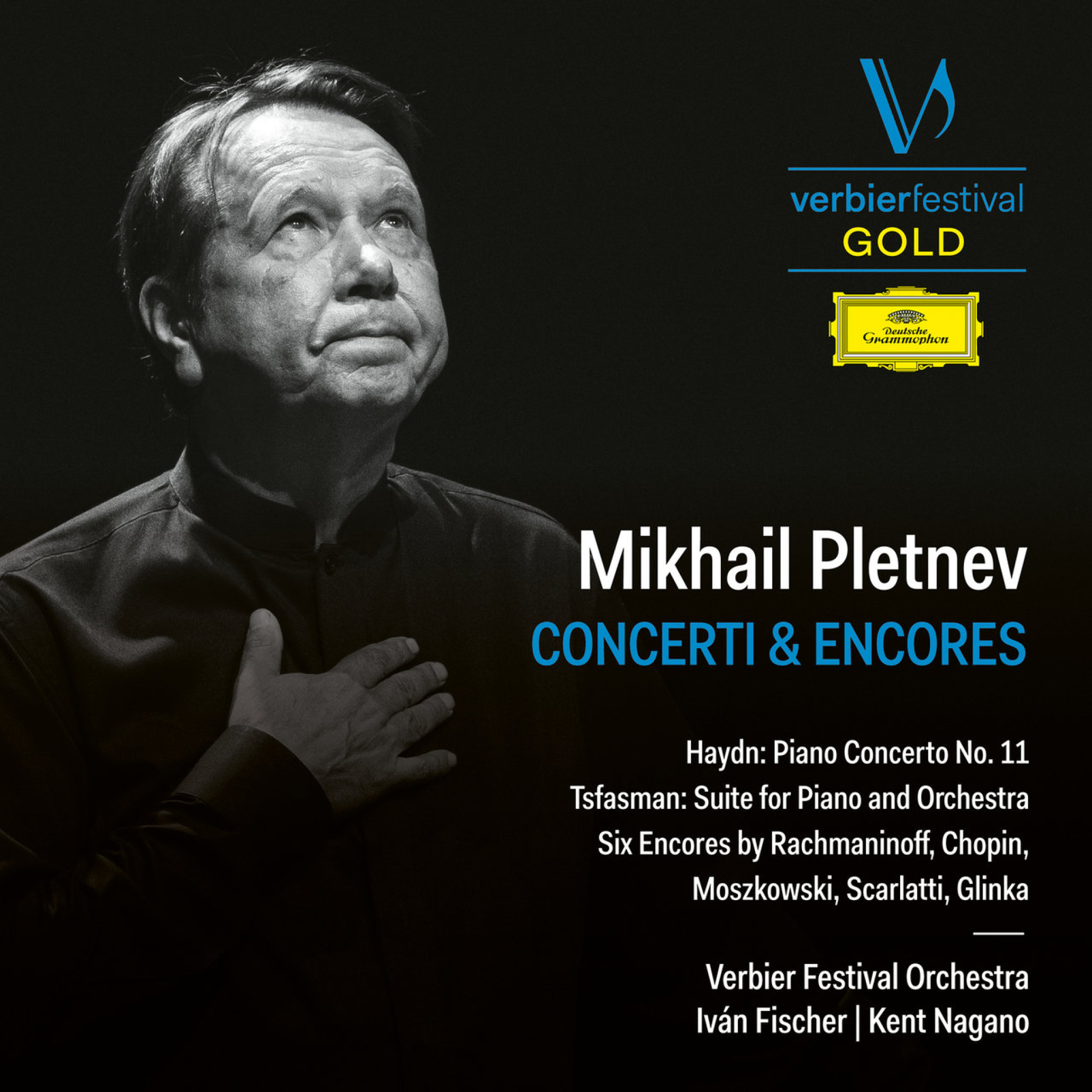
Having settled in Switzerland, Pletnev renewed his commitment to artistic freedom when, in 2022, he founded the Rachmaninoff International Orchestra, named after the celebrated pianist, conductor, and composer whose own career inspired audiences from all corners of the globe. The orchestra’s inaugural concerts took place in Rolle, conducted by Kent Nagano and featured Mikhail Pletnev as soloist in the complete Rachmaninoff concertos over two evenings.
His output as a composer, which commenced in the late 1970s, includes the widely praised Trumpet Concerto written for Sergei Nakaryakov and the Cello Sonata dedicated to Steven Isserlis. Pletnev’s orchestrations of Chopin’s two piano concertos were performed to great acclaim at the 80th-anniversary International Chopin Piano Festival in Duszniki-zdroj in 2025 and his Suite Rachmaniana, commissioned by the Philharmonisches Staatsorchester Hamburg, will receive its premiere at the Elbphilharmonie in January 2026.
10/2025