LUDWIG VAN BEETHOVEN
The Lost Tapes
Sviatoslav Richter
Sonatas Nos. 18, 27, 28 & 31

for classical music


Biography
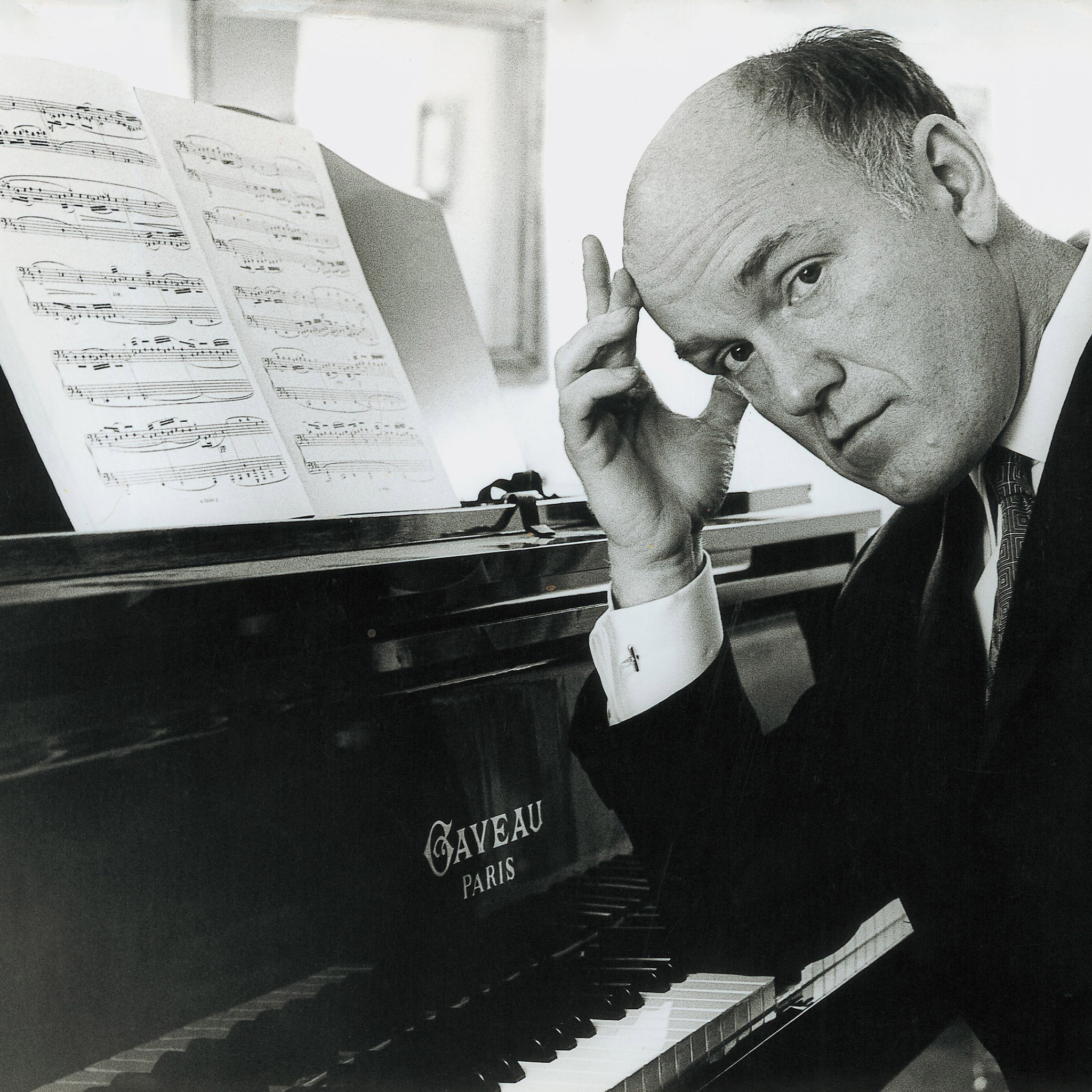
Sviatoslav Richter described himself as a simple man who happened to play the piano. But his formidable technique and insightful musicianship elicited universal acclaim from colleagues and peers. Although he gave hundreds of concerts a year in his heyday, he hated publicity, shunned the limelight, and rarely granted interviews. Born into a musical family, he was basically self-taught, and hardly a prodigy. Still, his extraordinary sightreading gifts led to a post as a rehearsal accompanist with the opera house in Odessa aged 15.
Richter began formal training in 1937, studying with the legendary teacher Heinrich Neuhaus. He also met and worked with Sergei Prokofiev, giving the world premiere of his magnificent Seventh Sonata. Prokofiev dedicated his Ninth Sonata to the pianist. In the 1950s Richter began to perform outside the USSR in other Eastern Bloc countries. Recordings of him playing Tchaikovsky’s G major Sonata, Scriabin études, and the legendary Mussorgsky Pictures at an Exhibition live from Sofia generated great interest in the West. In May 1960 the pianist played his first Western concert in Helsinki, and in October embarked on a tour of the United States, including a series of Carnegie Hall programmes that proved him a star of the kind that comes along only once in a lifetime.
Richter’s career expanded throughout Europe, and he established an annual festival at La Grange de Meslay, north of Tours, in France. He toured Japan for the first time in 1970, and in 1986 crossed Siberia by car, giving hundreds of concerts. By this time he had established a pattern of touring to small, intimate venues with his Yamaha grand in tow, always playing from the score. In his last years he preferred to play in darkness, with just one lamp on the piano to light the music. Richter likened the recording studio to a torture chamber, yet microphones seemed to follow him everywhere. He left behind an immense discography that embraces an unusually wide yet carefully considered range of repertoire.