María Dueñas’s Homage to Heifetz
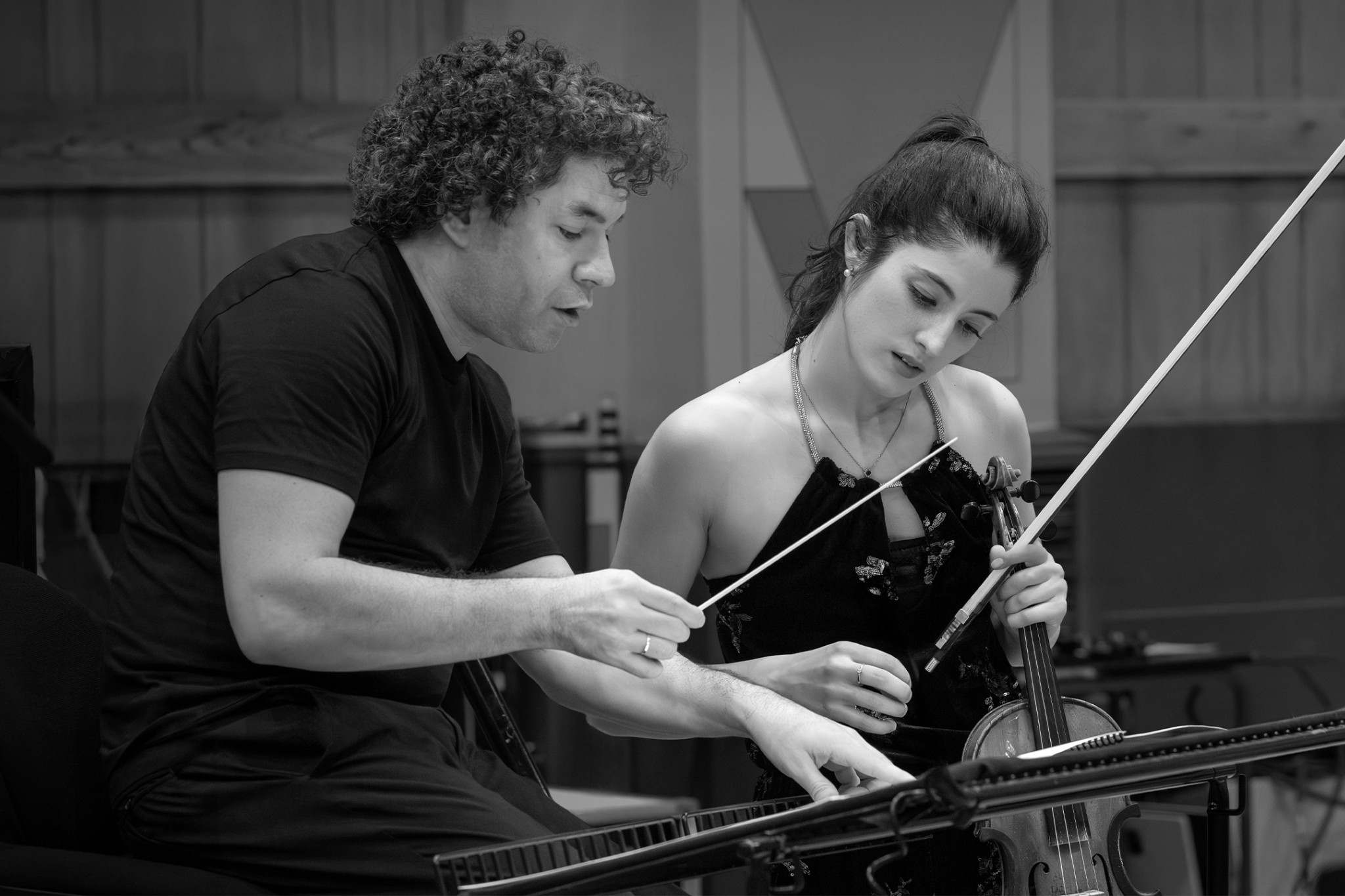
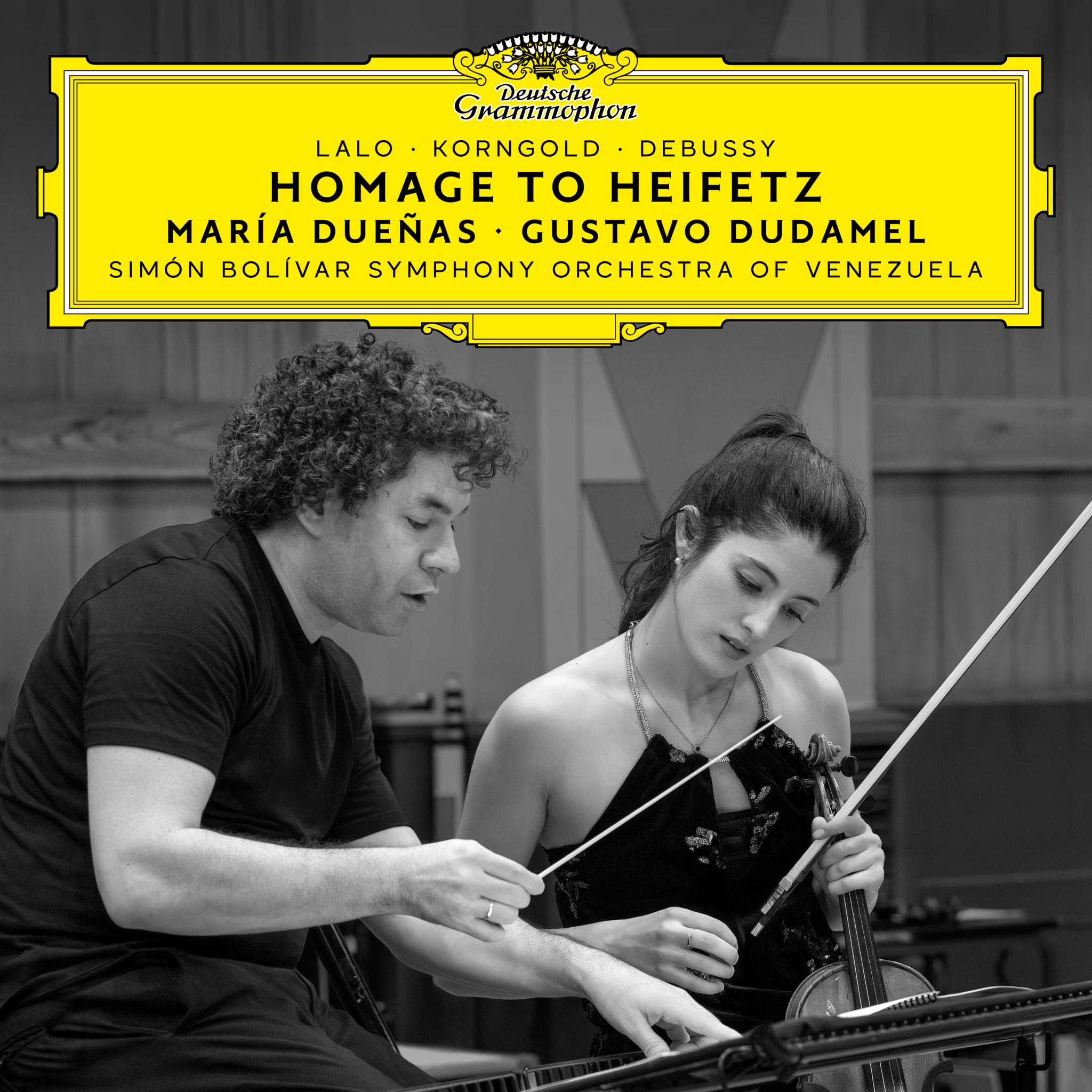
The Spanish violinist is joined by Gustavo Dudamel and the Simón Bolívar Symphony Orchestra of Venezuela in Korngold’s Violin Concerto and Lalo’s Symphonie espagnole, inspired by Heifetz’s own pairing of these works, as well as in one of his signature Debussy encores
Dueñas also performs gems by Debussy and Ponce with pianist Itamar Golan
Homage to Heifetz will be released on 28 August 2026
“Dueñas’s interpretation found the perfect balance between technical rigour and expressive freedom … [She] approached the different episodes with admirable stylistic sensitivity”
Ritmo, on Dueñas’s performance of Lalo’s Symphonie espagnole in her native Granada, June 2025
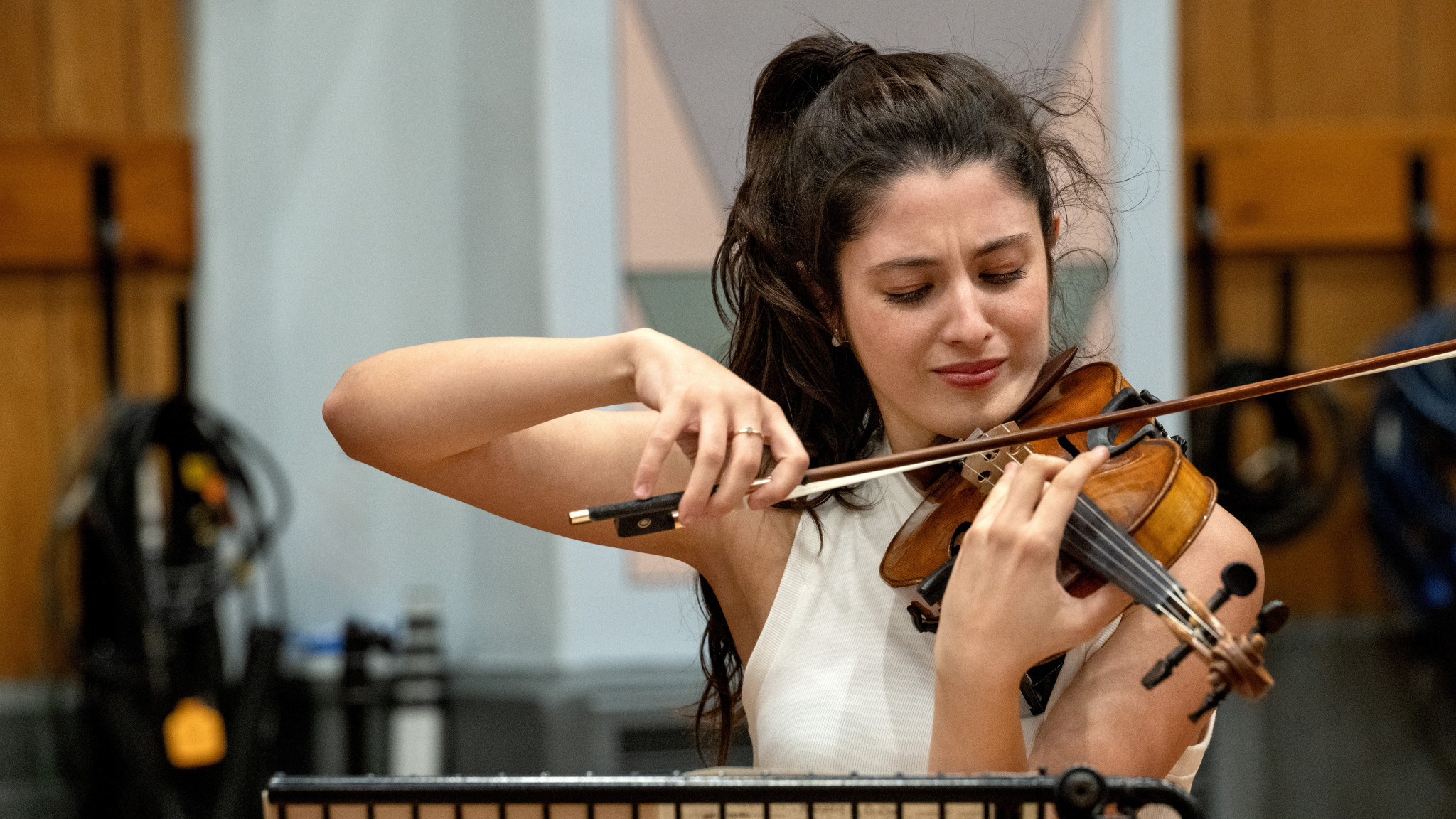
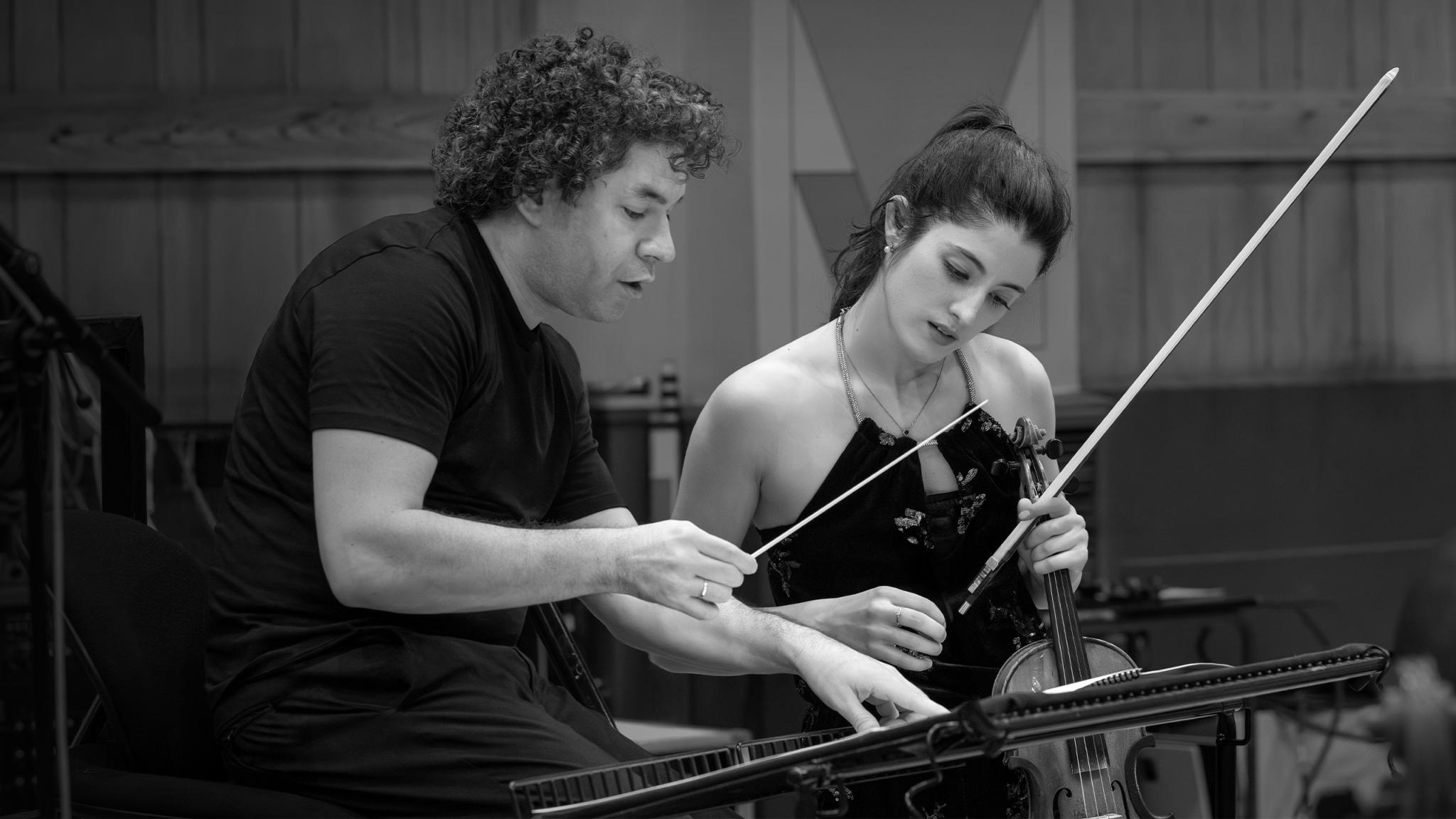
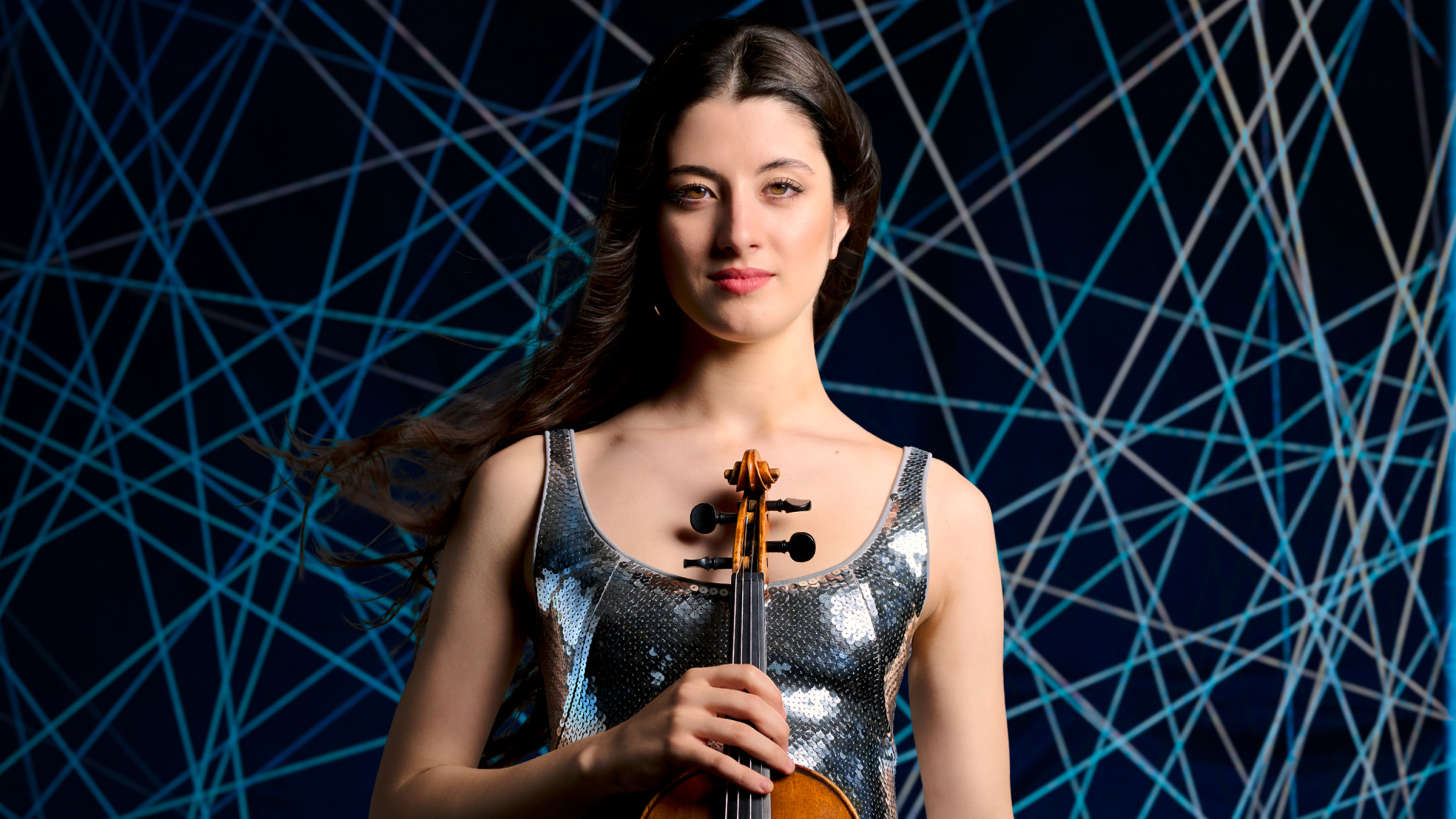
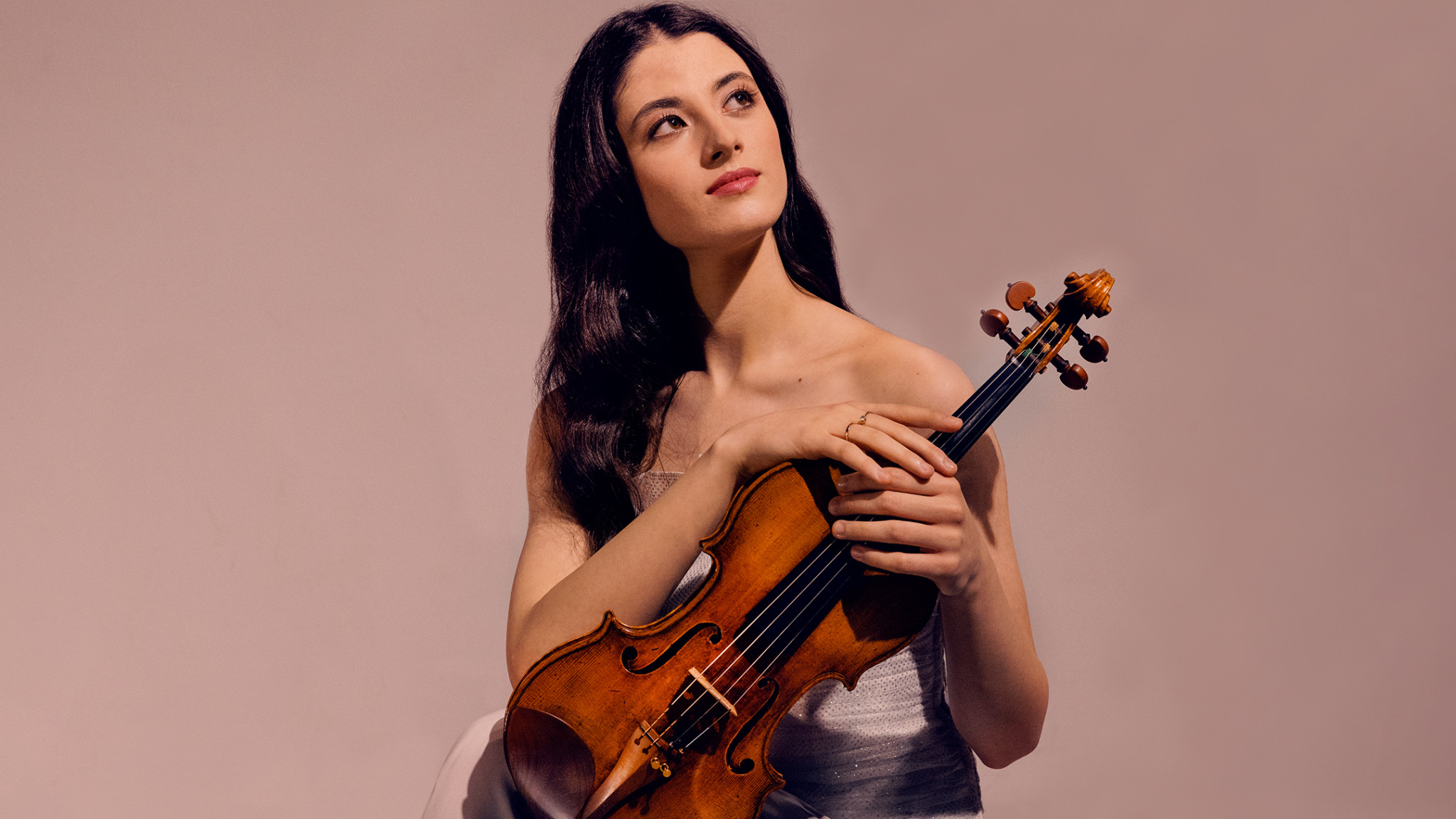
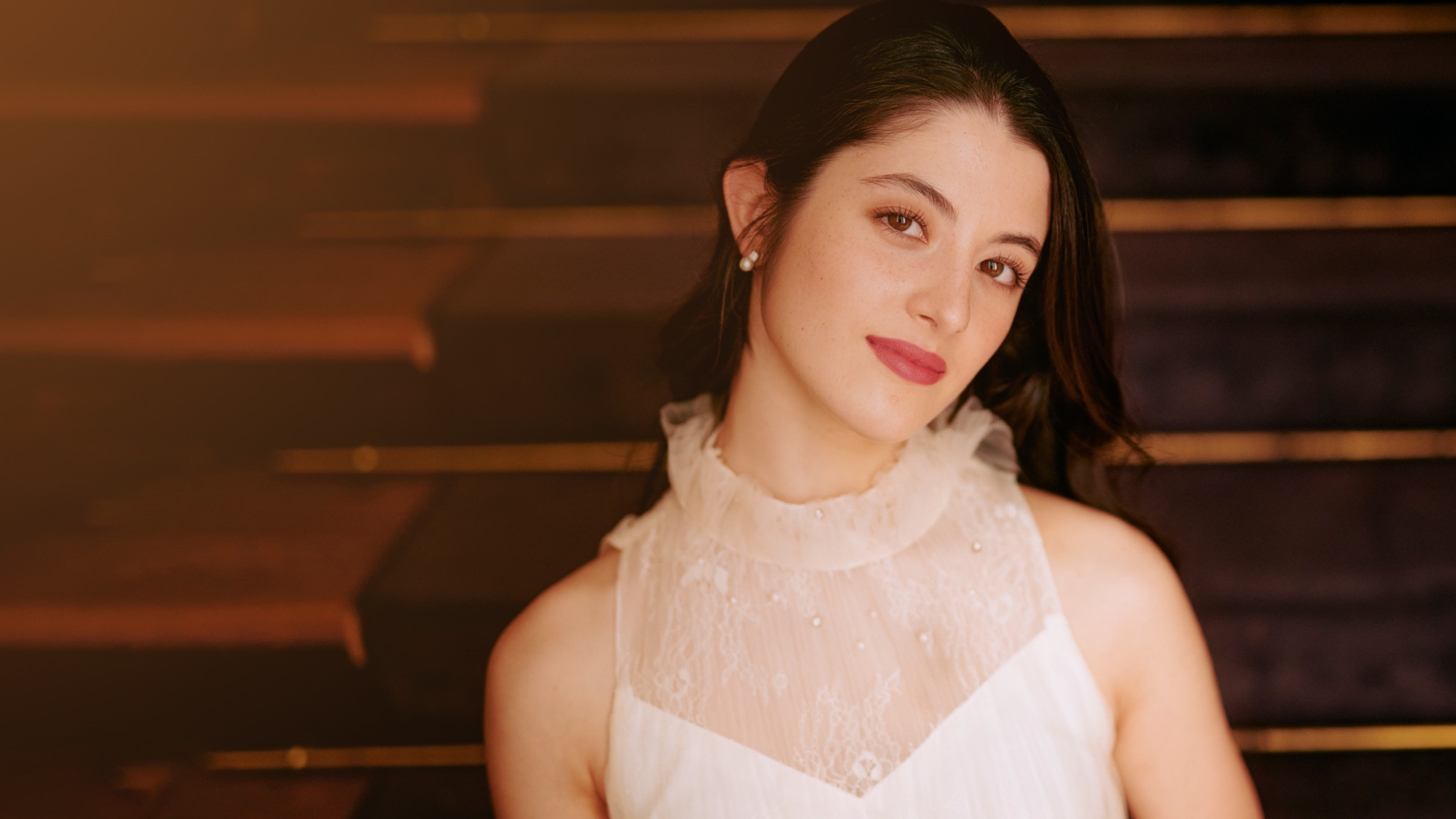
María Dueñas’s new album for Deutsche Grammophon is all about musical connections and inspiration. Homage to Heifetz celebrates the iconic violinist Jascha Heifetz – whose recorded legacy has long been a key influence on Dueñas – and reflects her artistic affinity with conductor Gustavo Dudamel. He and the Simón Bolívar Symphony Orchestra of Venezuela (the flagship orchestra of Venezuela’s internationally renowned El Sistema music education programme), of which he is Music & Artistic Director – joined María at London’s legendary Abbey Road Studios to record Korngold’s Violin Concerto, Lalo’s Symphonie espagnole, and an orchestral arrangement of Debussy’s La fille aux cheveux de lin. The album also features three other miniatures recorded in Berlin with pianist Itamar Golan: Léon Roques’ transcription of Debussy’s La plus que lente, and Heifetz’s own arrangements of the same composer’s La chevelure and Ponce’s Estrellita.
Homage to Heifetz is set for release in all formats on 28 August 2026. A series of digital singles will be issued in the lead-up to the album release, starting with La fille aux cheveux de lin on 10 April and Estrellita on 8 May.
“Having a role model is so important,” says Dueñas, “someone who is a constant source of inspiration.” Through his recordings, and notably the interpretations of Lalo and Korngold he set down in the early 1950s, it was the Lithuanian-born Jascha Heifetz (1901–87) who became that role model for María. A defining figure of the Golden Age of violinists, he was renowned for his technical virtuosity, molten sound and clarity of interpretation.
Gustavo Dudamel – an accomplished violinist himself – is also a source of inspiration for María: “Beyond being a fantastic musician, he’s a wonderful human being, someone whose feet are on the ground. This is what gives his music-making such soul.” Their live collaborations include the world premiere and subsequent performances of Gabriela Ortiz’s Altar de cuerda (“Dueñas was wholly captivating” – The New York Times).
Both Dueñas and Dudamel enjoyed their Abbey Road sessions, which gave them time to discover new details in familiar repertoire. They agreed on the importance of weaving the immense technical demands of Korngold’s Violin Concerto — a work premiered by Heifetz – into the “story” told by the music, enriched with borrowings from several of the composer’s best-known Hollywood scores. Dueñas also underlines the need to create a dialogue between soloist and orchestra in order to capture the work’s true atmosphere.
The same level of mutual trust and understanding between violinist, conductor and orchestra can be heard in the Lalo, which María has been playing since she was eleven. Dudamel notes that María has the necessary “Spanish soul” to get to the heart of Lalo’s score, while Dueñas praises the conductor and his orchestra for their shared “Hispanic fire”.
On the album María also revives the Golden-Age tradition of programming arrangements of popular gems alongside more substantial compositions. She was thrilled to be able to record three of Heifetz’s signature pieces – Estrellita, La chevelure and La plus que lente – on her predecessor’s own 1731 Stradivarius (the “Heifetz, Piel”), loaned to her for the occasion. “I came to the studio without having practised much on this violin,” she says. “I felt if I practised on it too intensely, I would make it my own and it would lose its authenticity. My intention was to keep the essence of the instrument – and, in a way, of Heifetz – intact for the occasion. So I walked into Abbey Road Studios and let the music flow.”
María Dueñas performs Korngold’s Violin Concerto on tour later this season, with dates at LA’s Walt Disney Concert Hall, Zürich’s Tonhalle, La Scala, Milan, London’s Barbican Centre, Dallas’s Meyerson Symphony Center, Toronto’s Roy Thomson Hall and Meridian Arts Center, San Francisco’s Davies Symphony Hall between 1 May and 14 June. She then plays the Brahms Violin Concerto at the Cologne Philharmonie (5–7 July) and at the Rheingau Musik Festival (11 July). Full touring details here.