JOE HISAISHI
Nobuyuki Tsujii
The Wind Forest
From "My Neighbor Totoro"


Biography
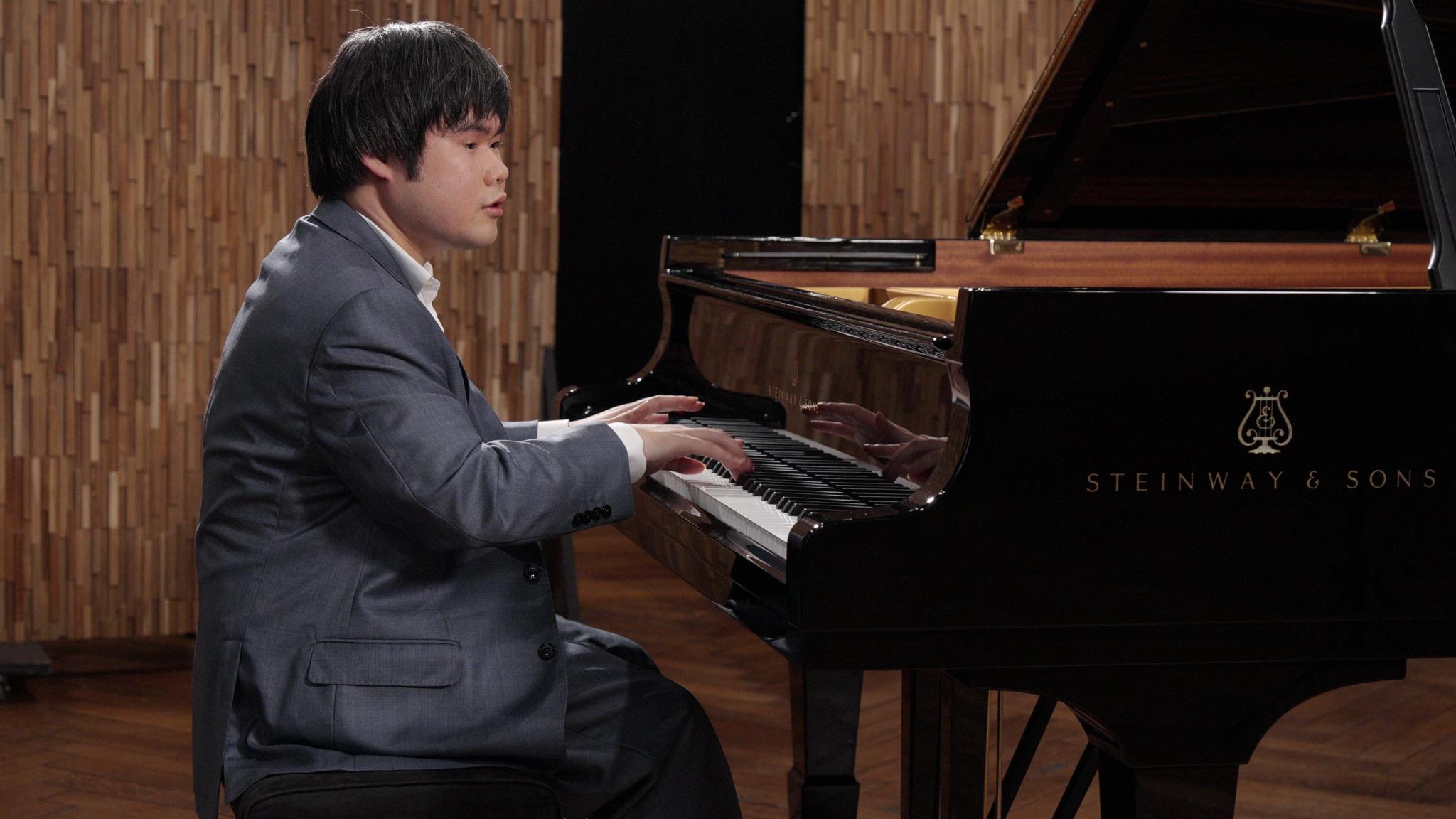
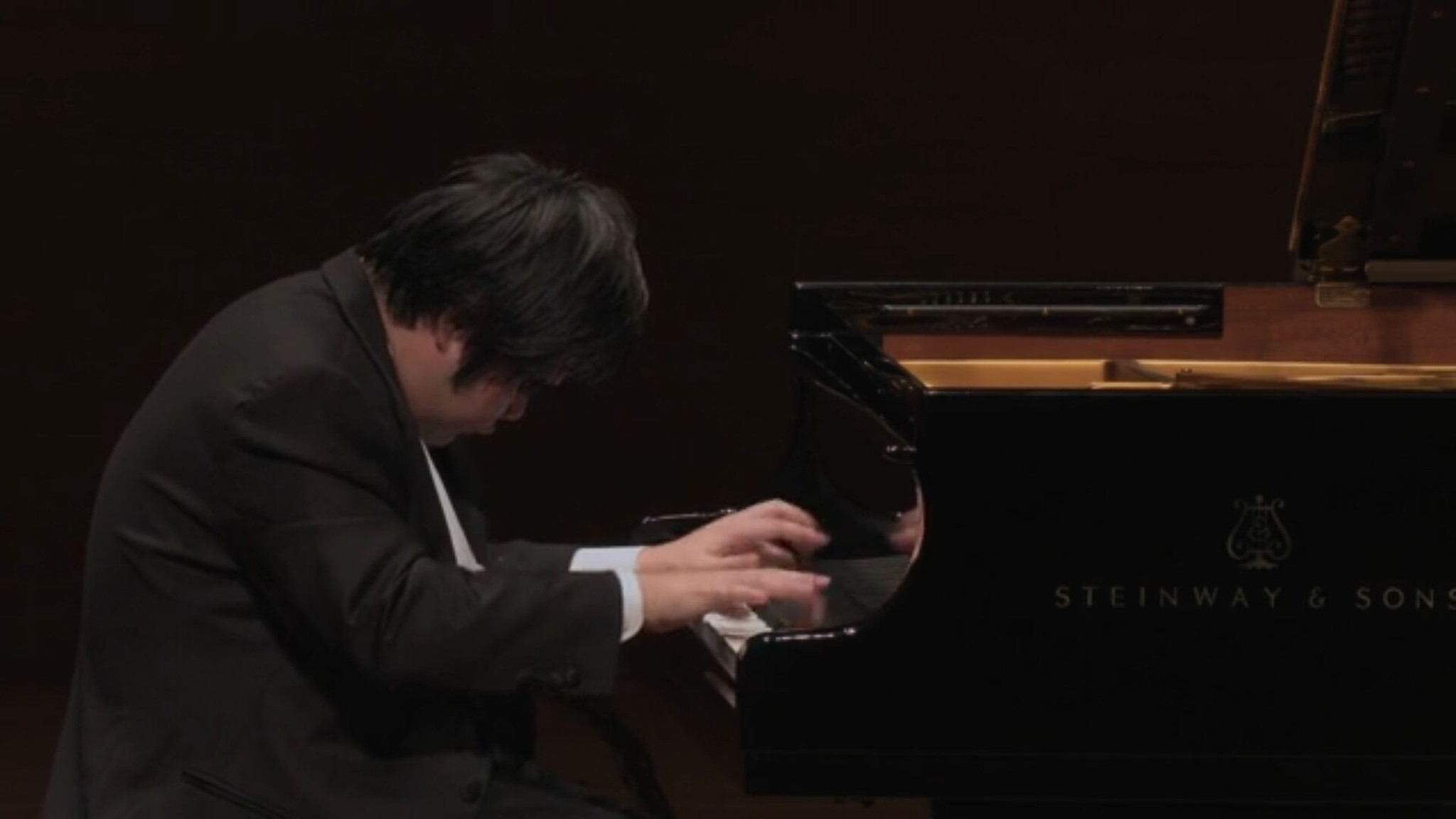
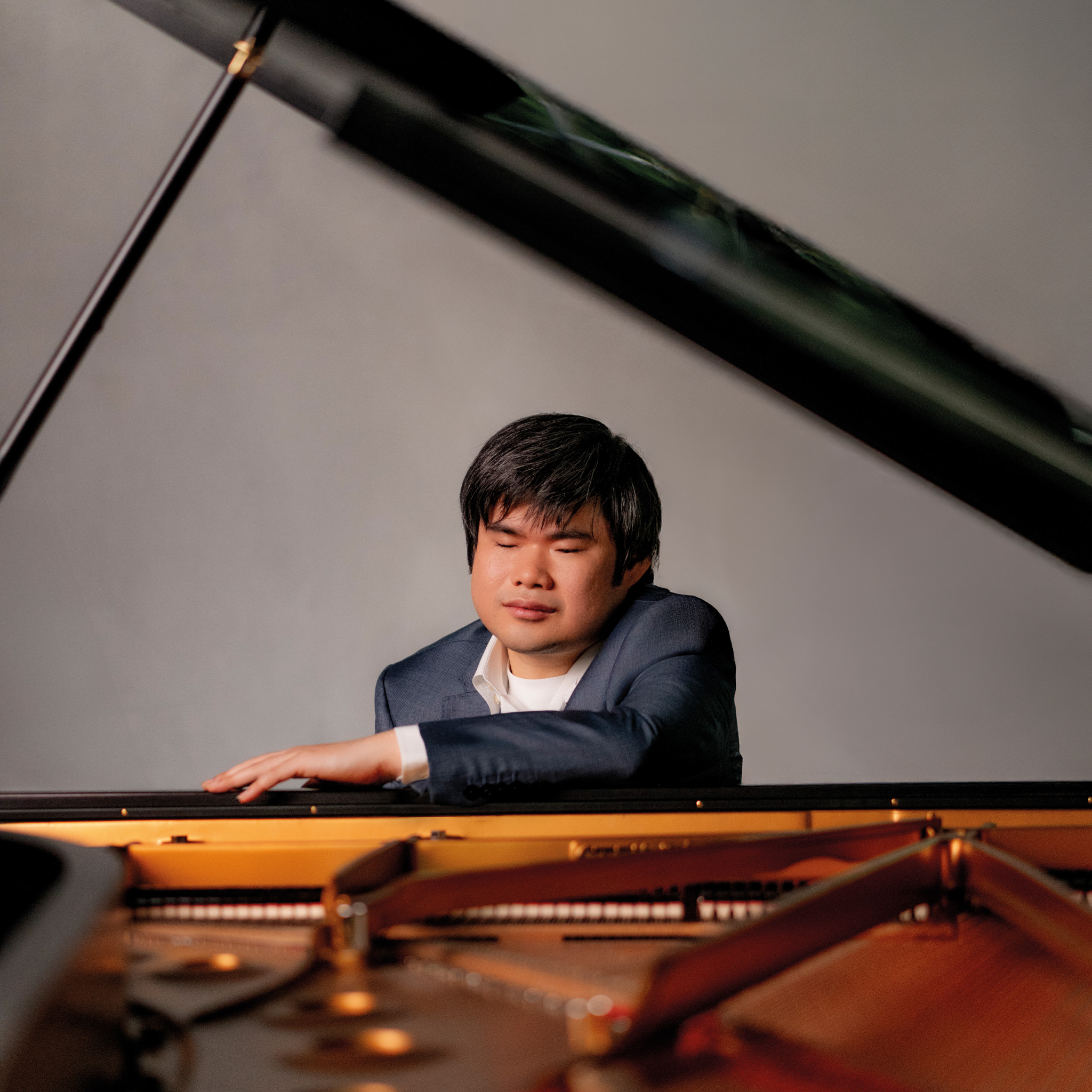
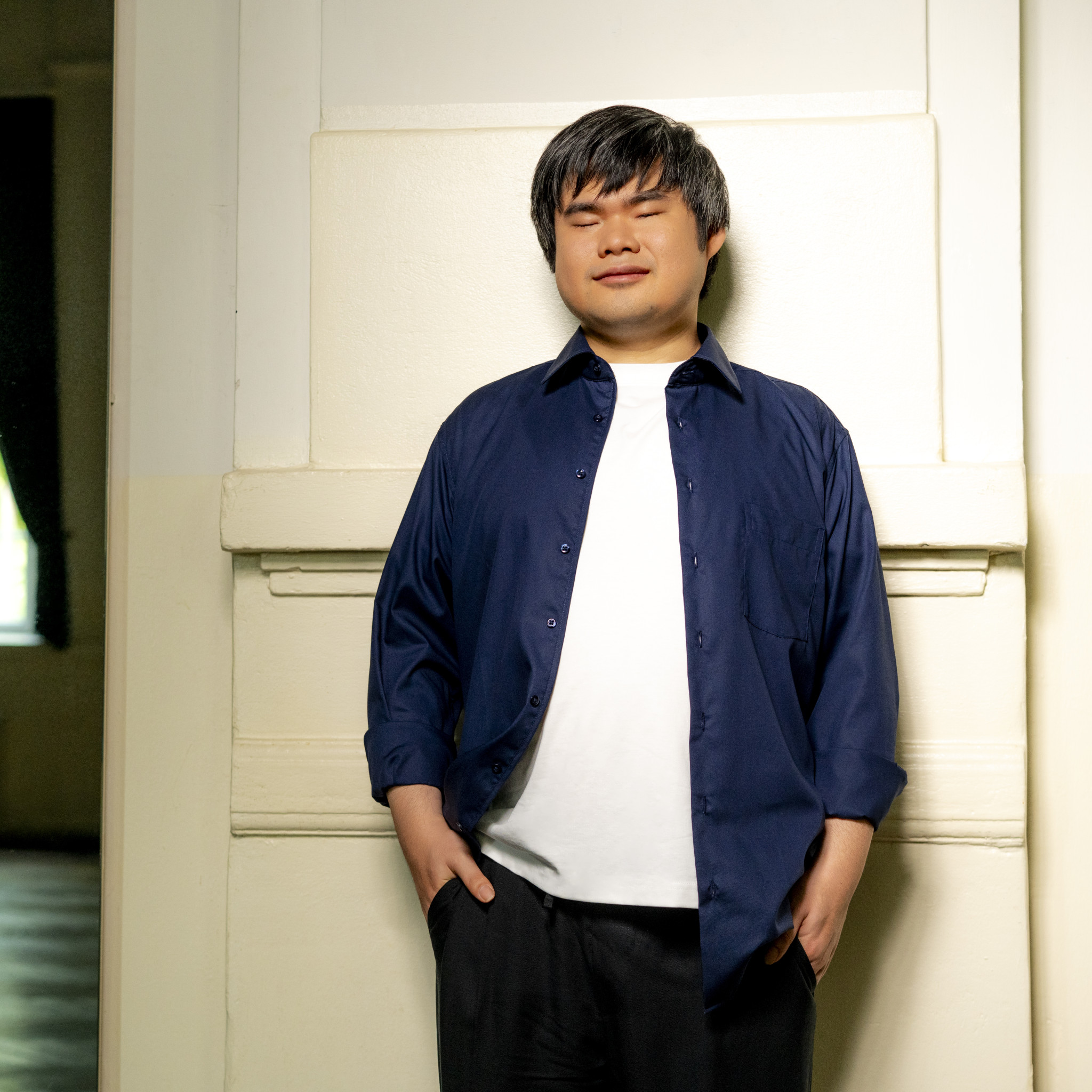
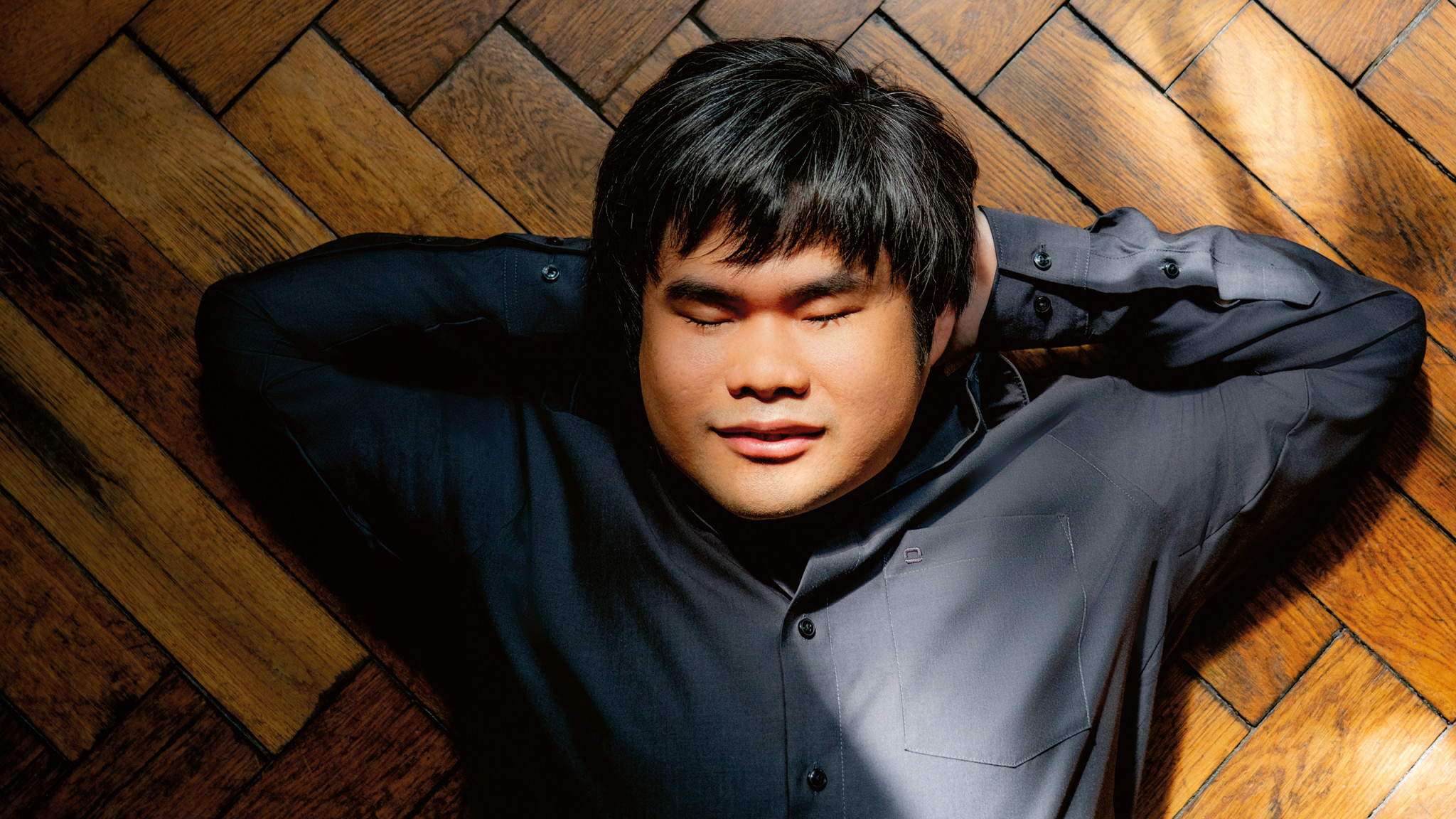
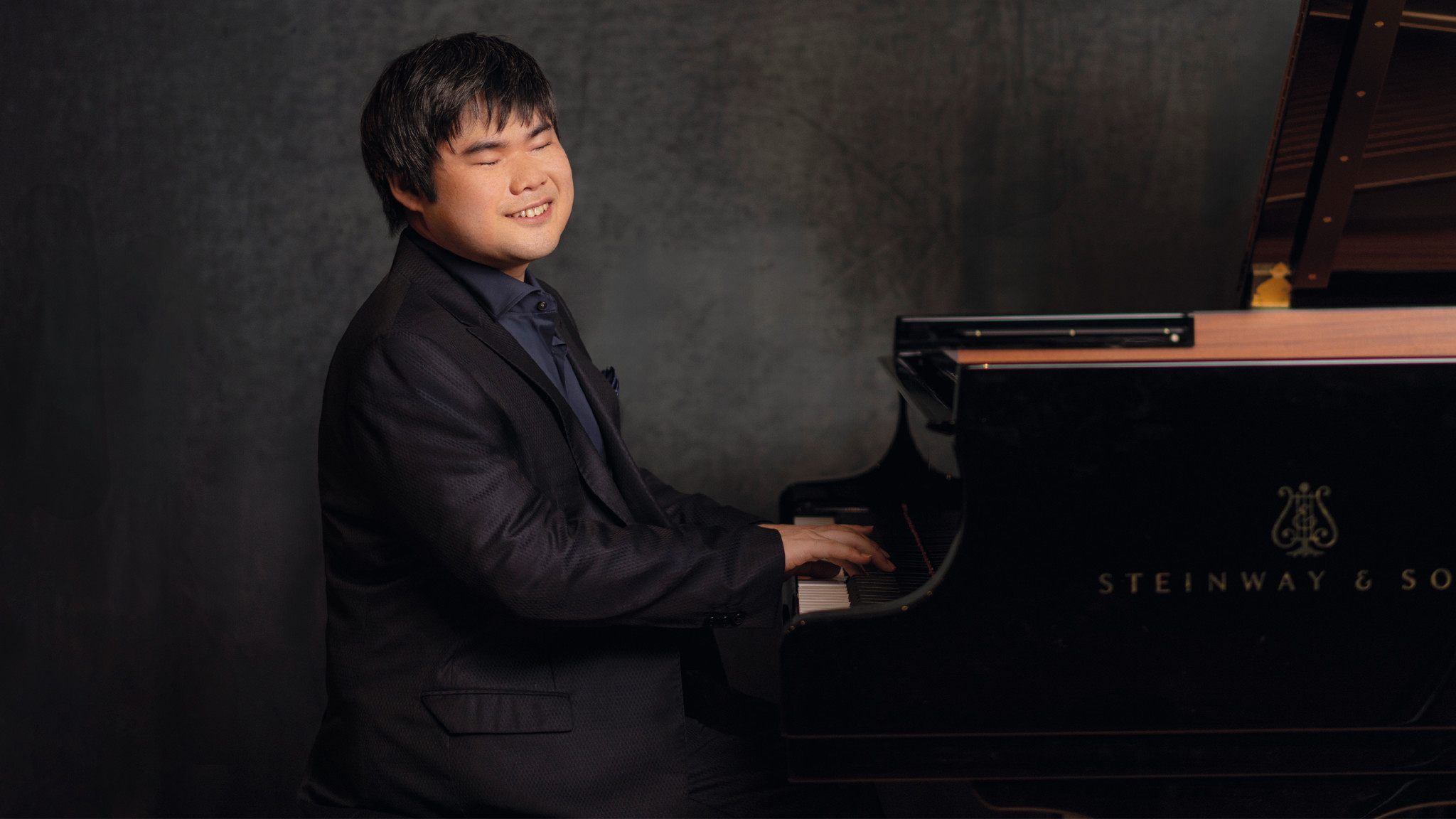
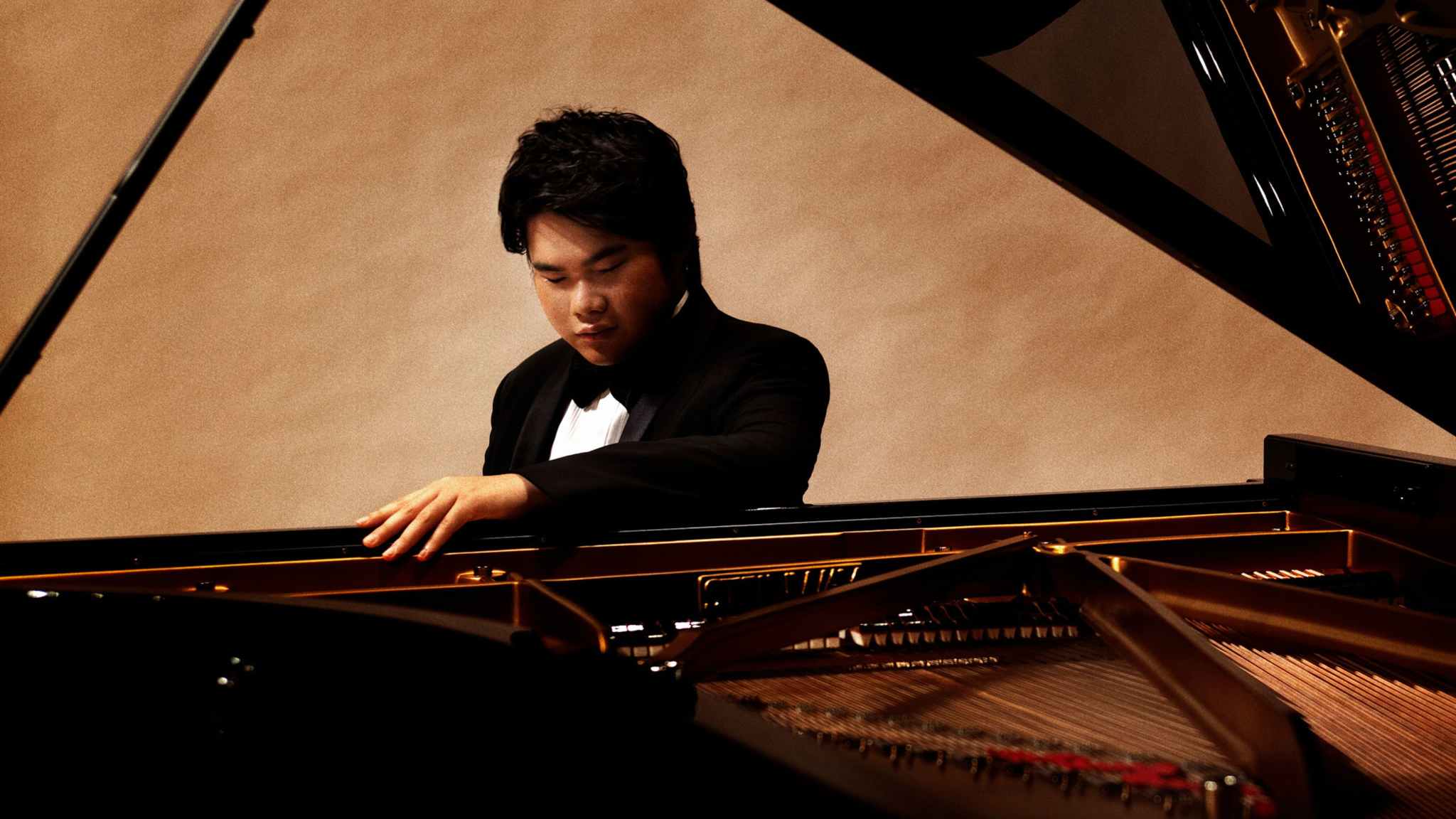
The intense energy generated by Nobuyuki Tsujii in performance is electrifying. The Japanese pianist, universally known as Nobu, channels his phenomenal technical skills and command of tonal colours to craft interpretations that reveal the essence of the works in his wide repertoire. Stemming from a profound spiritual connection with the music and a rare ability to be as one with his instrument, his artistry appears all the more remarkable given that he was born blind.
Nobu created headline news in 2009 when he was named joint winner of the Van Cliburn International Piano Competition’s coveted Gold Medal. His pianism prompted the contest’s founder to declare that he was “absolutely miraculous”. Nobu’s performance, he continued, had “the power of a healing service. It was truly divine.”
That verdict was soon endorsed by audiences and critics drawn to hear the young man’s debuts on the world’s most prestigious stages, including New York’s Carnegie Hall, London’s Royal Albert Hall and Wigmore Hall, the Vienna Musikverein, the Berlin Philharmonie, the Théâtre des Champs-Elysées in Paris and the main auditorium of Tokyo’s Suntory Hall. Nobu also became the subject of a documentary directed by the eminent film-maker Peter Rosen: Touching the Sound: The Improbable Journey of Nobuyuki Tsujii (2014), having already featured prominently in the director’s film about the 13th Van Cliburn Competition, A Surprise in Texas (2010).
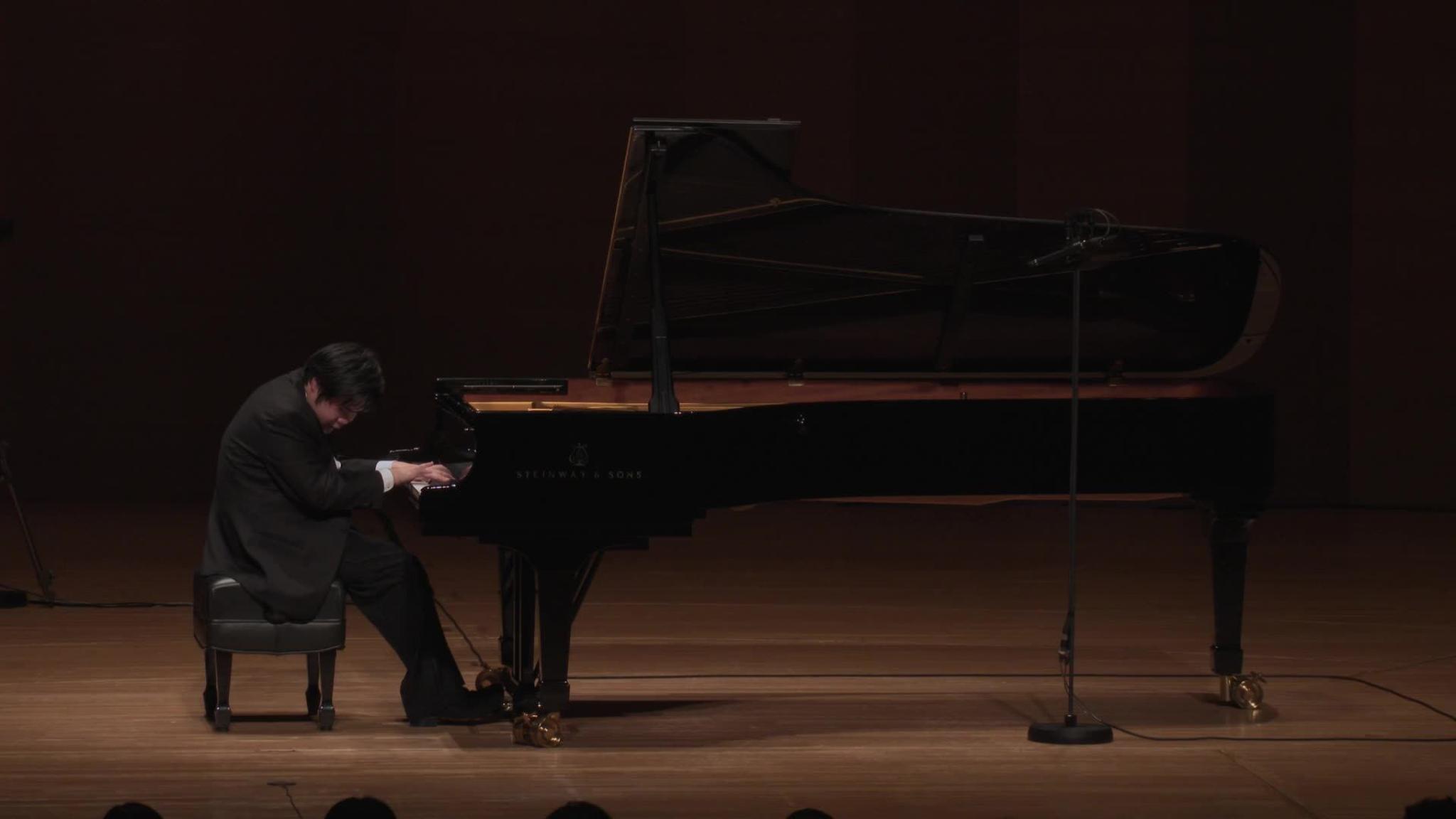
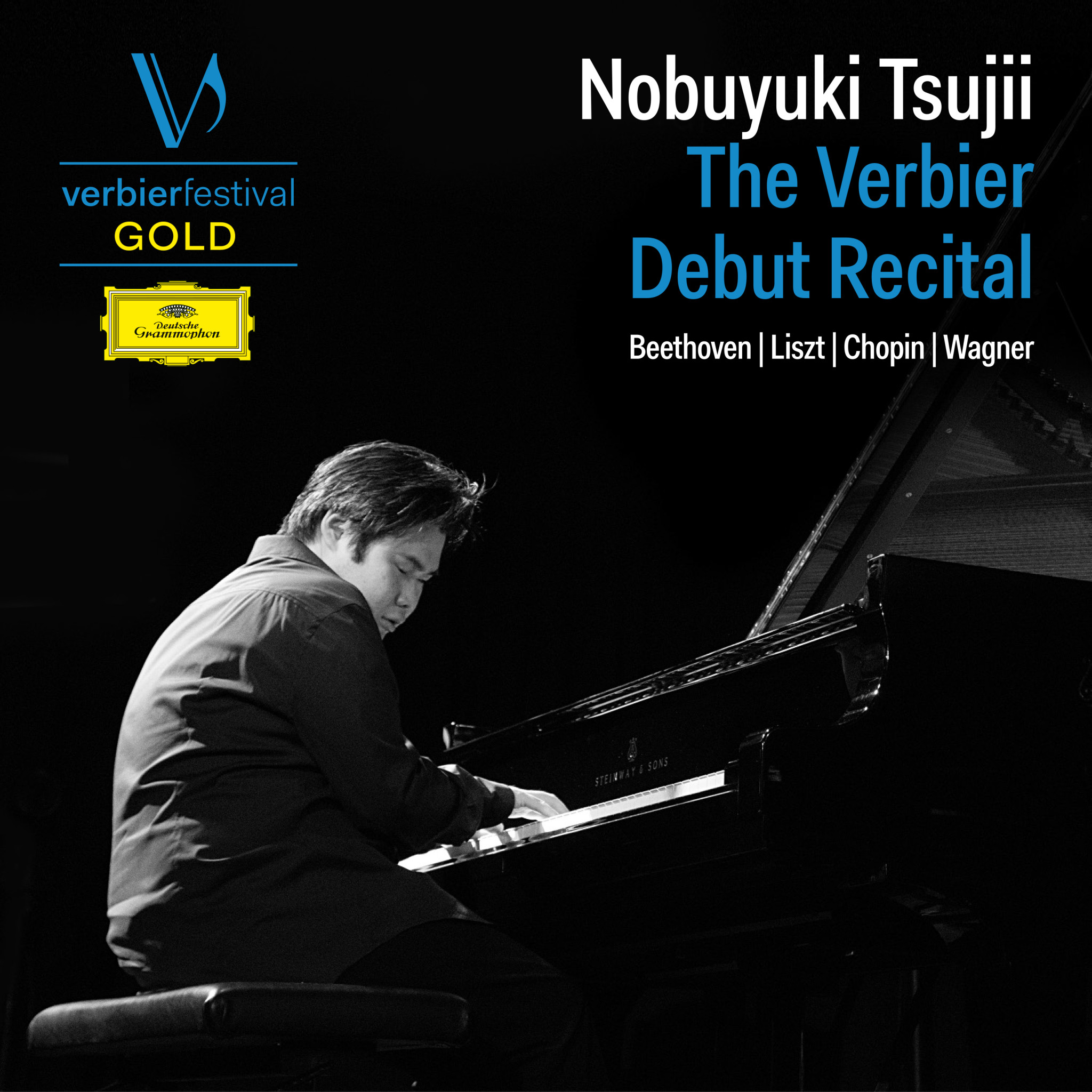
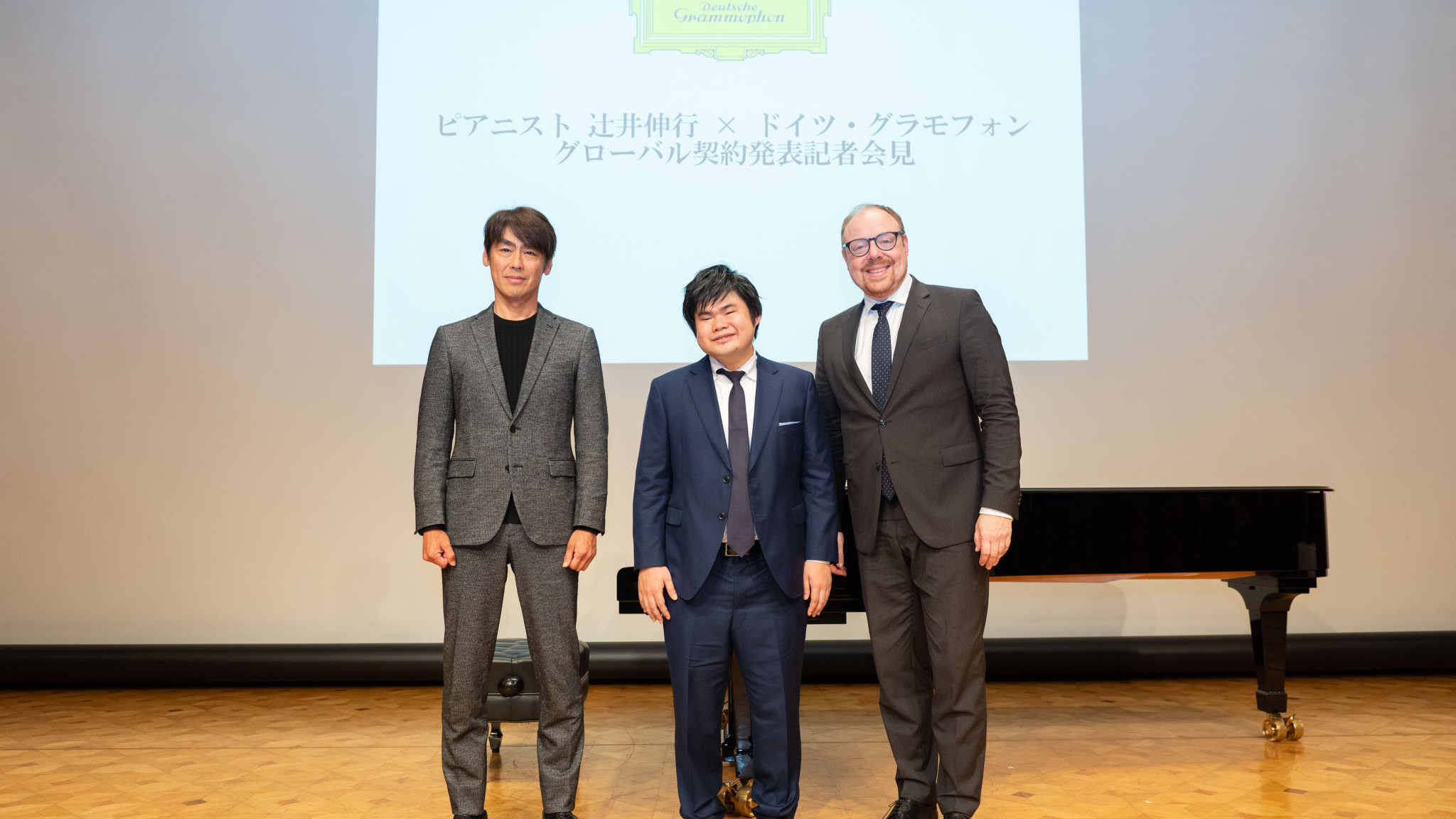
Having long since established his place among today’s leading pianists, Nobu signed an exclusive recording contract with Deutsche Grammophon in April 2024. The label has reissued the artist’s existing classical discography, and subscribers to its STAGE+ platform can now watch a selection of recitals filmed in recent years at Suntory Hall and at the Verbier Festival – as well as Rosen’s Touching the Sound.
Nobu’s debut DG album featured a Beethoven programme that paired the towering “Hammerklavier” Sonata, op. 106 with Liszt’s transcription of the song cycle An die ferne Geliebte (“To the Distant Beloved”). The album was released worldwide on 21 March 2025, with International Piano hailing the sonata performance as “a memorable Hammerklavier: mature, thoughtful and beautifully controlled”.
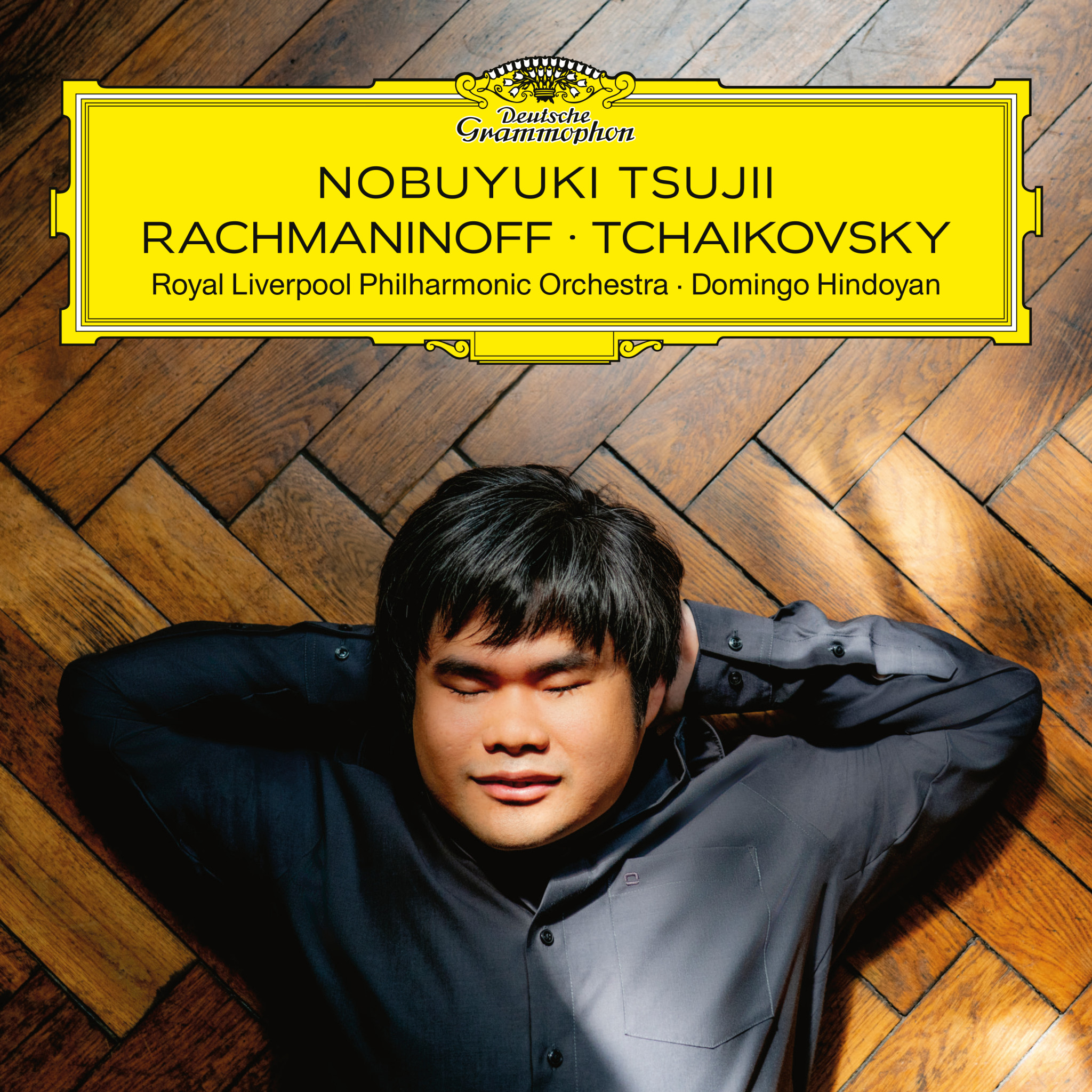
His second DG album presents a selection of works by Rachmaninoff and Tchaikovsky. Joined by the Royal Liverpool Philharmonic Orchestra and Domingo Hindoyan in Rachmaninoff’s Third Piano Concerto, Nobu also performs Mikhail Pletnev’s arrangement of excerpts from Tchaikovsky’s ballet The Nutcracker, piano versions of three Rachmaninoff songs and the latter composer’s transcription of Rimsky-Korsakov’s The Flight of the Bumblebee. Rachmaninoff · Tchaikovsky comes out digitally and on CD on 9 January 2026.
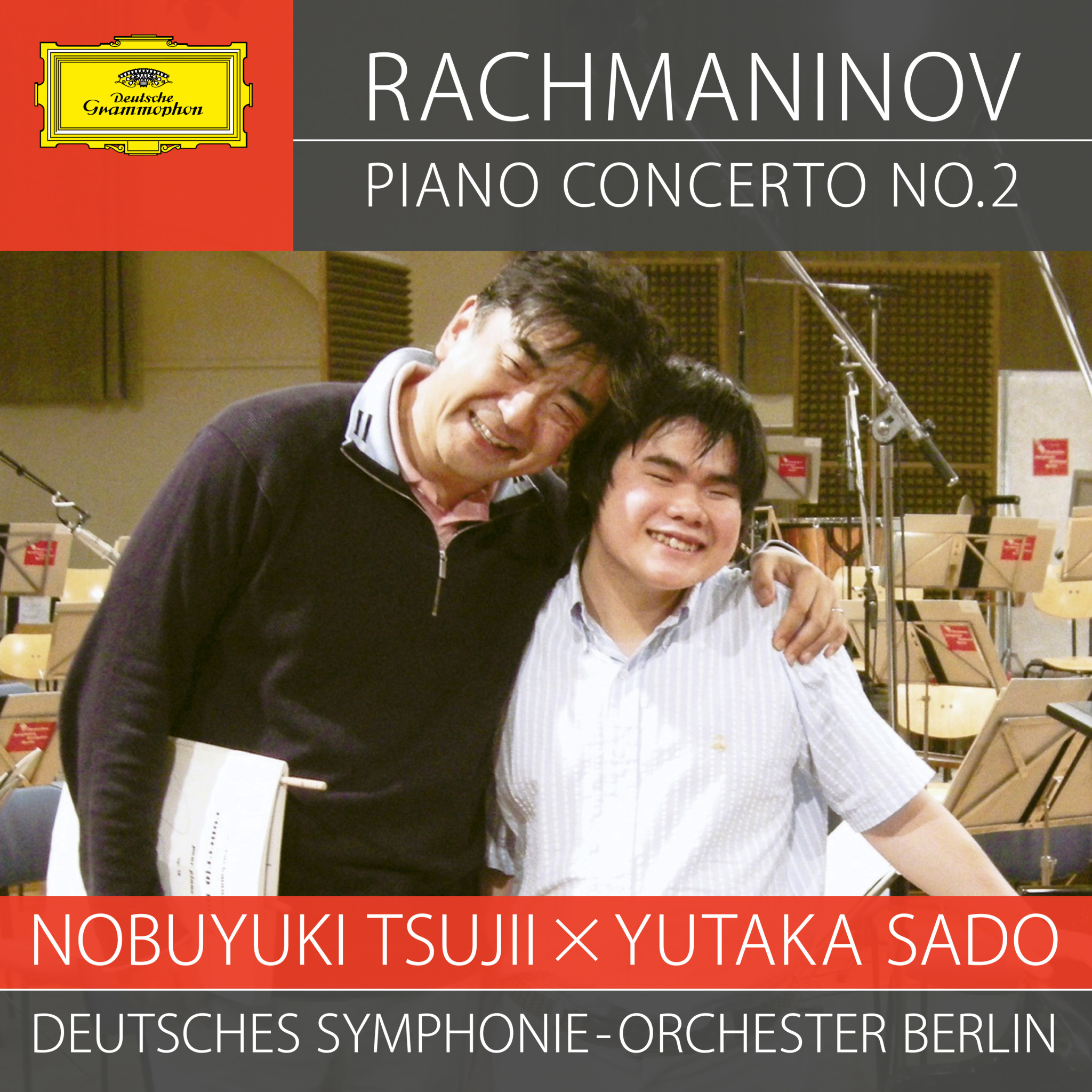
In recent seasons Nobu has appeared as concerto soloist with, among others, Vladimir Ashkenazy and the Deutsches Symphonie-Orchester Berlin, Vladimir Jurowski and the London Philharmonic Orchestra, Vasily Petrenko and the Royal Philharmonic Orchestra, Klaus Mäkelä and the Oslo Philharmonic, and Hindoyan and the RLPO. Other career highlights include performances with the Los Angeles Philharmonic at the Hollywood Bowl, with the BBC Philharmonic and Juanjo Mena, and with the Philharmonisches Staatsorchester Hamburg and Kent Nagano.
Forthcoming highlights include a recital tour of Japan during which he will perform the Tchaikovsky/Pletnev Nutcracker Suite, among other works (9 January−8 March 2026); Rachmaninoff’s Piano Concerto No. 2, again in cities around Japan (21–29 March); Beethoven’s Piano Concerto No. 2 with Orpheus Chamber Orchestra at Purchase College (New York state) and Carnegie Hall (24/25 April); and three performances of the Grieg Piano Concerto at the Philharmonie de Paris with Klaus Mäkelä and the Orchestre de Paris (5–7 May), preceded by a chamber event at which Nobu, Mäkelä (cello) and three members of the orchestra will play Schubert’s “Trout” Quintet (4 May).
Born in Tokyo in September 1988, Nobu displayed his innate musicality at the age of two when he began picking out tunes on a tiny toy piano. After just a few hearings he was able to play the songs his mother sang to him, and he began improvising miniature compositions spontaneously during early childhood. “The piano is something I can use to express myself, and I’m much better at communicating using piano rather than speech,” he reflects. “So in that sense, the piano is essential for me.”
Nobu’s phenomenal aural skills and memory enabled him to learn increasingly complex pieces by listening to short sections and repeating them at the piano his parents bought for him. His progress was such that he won first prize at the All Japan Music Competition of Blind Students at the age of seven and, three years later, made his debut with orchestra. He gave his first piano recital, in the small hall of Tokyo’s Suntory Hall, when he was twelve and soon reached audiences overseas with recital tours to the United States, Russia and France. He also began performing his own compositions.
Two years after reaching the semifinal of the International Chopin Piano Competition in 2005, Nobu enrolled at Tokyo’s Ueno Gakuen University and made his professional debut. He achieved pop-star status in Japan thanks to his Cliburn Competition victory and remains enormously popular in his homeland, as well as having a huge and ever-growing fanbase abroad. “I always aim to play for audiences to enjoy,” he says. “To me, my responsibility is the audience’s enjoyment.”
12/2025