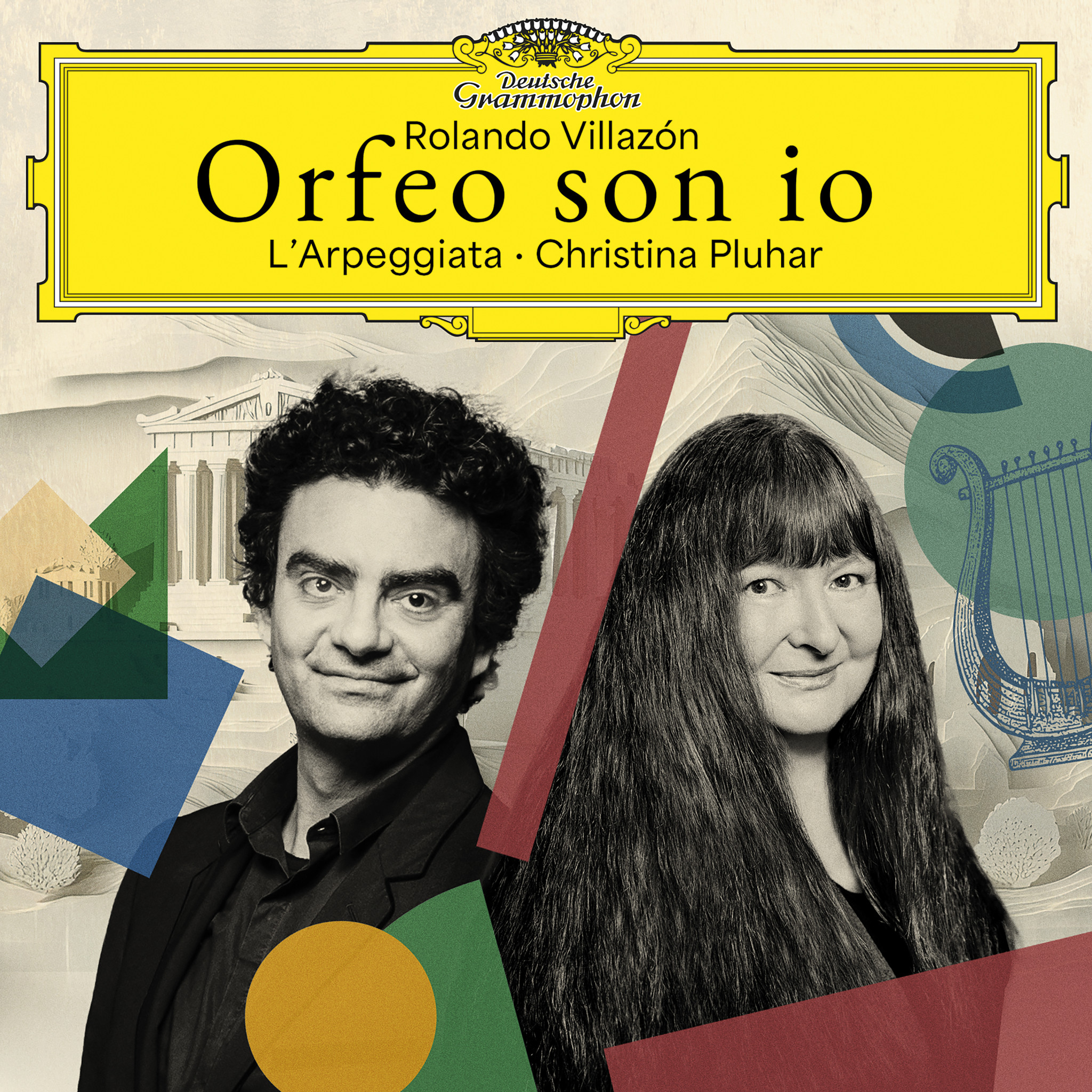
ORFEO SON IO
Rolando Villazón, Christina Pluhar
Works by
Monteverdi · Brunelli · Caccini
Gluck · Gardel · Bonfá
and more
Rolando Villazón
L'Arpeggiata
Christina Pluhar

for classical music


Biography
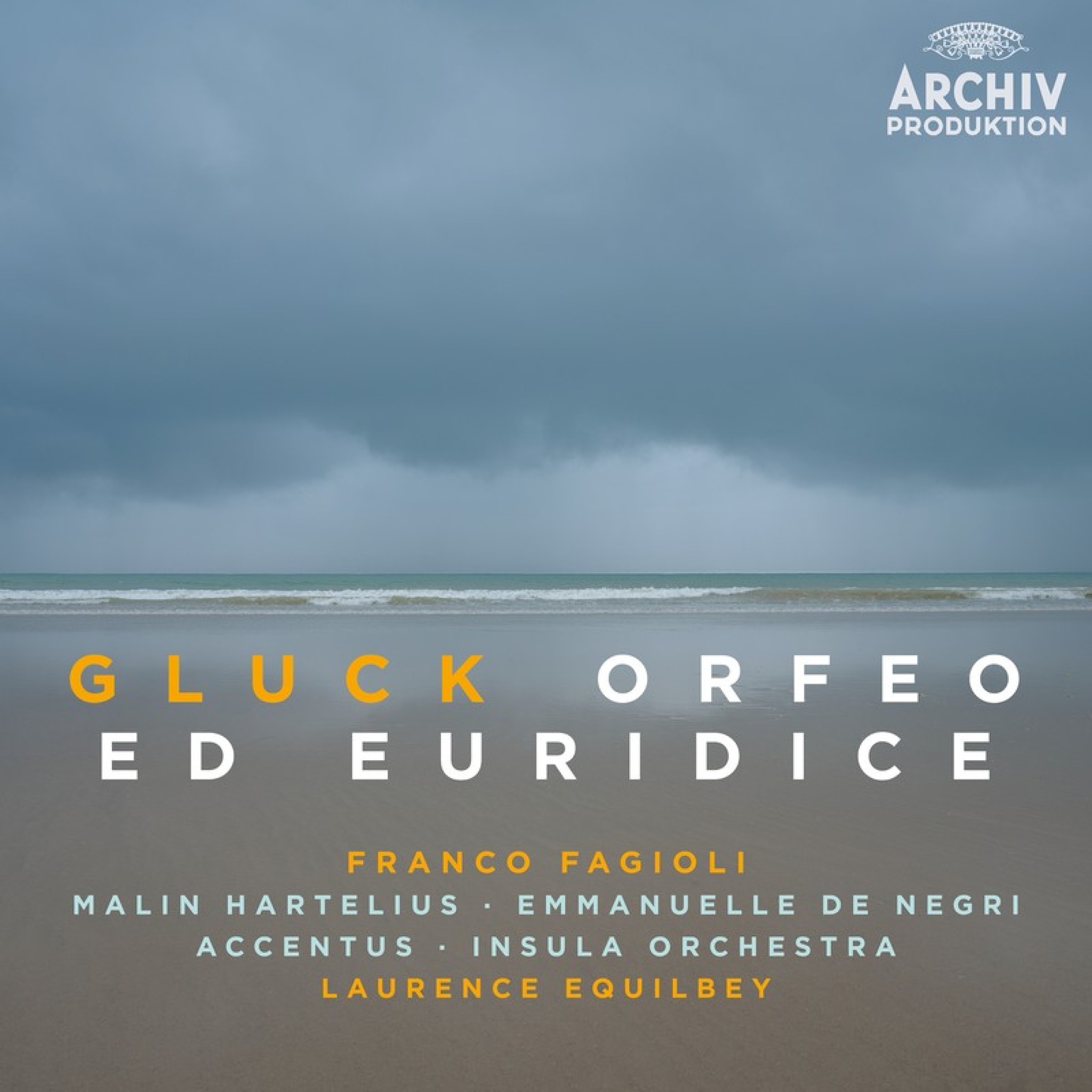
Christoph Willibald Gluck was the epitome of the 18th-century composer, working at the service of any court that might employ him, and writing music that was never less than well-mannered. But he was also that rare thing, an artist who managed to absorb and transcend the spirit of his age. The ‘reform’ operas that Gluck composed from the 1760s reflect the ideals of the late Enlightenment, and Orfeo ed Euridice can be counted amongst the greatest of musical works for the stage. Gluck was born in what is now Bavaria. His father Alexander Johannes belonged to a dynasty of foresters and hoped his first surviving son would follow in his footsteps. From an early age it was woodwind more than woodland that excited the younger Gluck. He escaped first to Prague then to Italy, where he learnt his musical craft studying in Milan with the composer GB Sammartini. Within four years Gluck had begun to write Artaserse, based on a libretto by the poet Metastasio and premiered in 1741, the first of approximately 35 full-length operas. The composer, it seemed, had embarked upon a traditional career making opera seria from a set of pre-existing libretti. After Italy, he travelled through Europe looking for work. He visited London, Dresden, Vienna and Prague before settling in Vienna in 1752, becoming Kapellmeister to the Prince of Saxe-Hildburghausen. Gluck began composing opéra comiques for the city’s Burgtheater, including La fausse esclave and La rencontre imprévue. French forms would prove crucial to his development as a composer. The poet and librettist Ranieri de' Calzabigi was equally influential in changing his friend’s ideas about opera. Impressed by the austerity of the French tragédie en musique, Gluck and Calzabigi strove together to create a new kind of opera, the ‘reform’ operas. Orfeo ed Euridice (1762), Gluck’s first collaboration with Calzabigi, was a triumph, and launched a series of works in which dramatic unity took precedence over vocal display. In 1773 Gluck and his family moved to France. Thereafter he happily commuted from Paris to Vienna as he worked on his late masterpieces, Iphigénie en Aulide (1774), Alceste (1776), Armide (1777) and Iphigénie en Tauride (1779). He died of a stroke in Vienna in November 1787. Gluck’s greatest achievements were to redefine the relationship between music and drama and to establish the principle that an opera deserved an original libretto – not simply one borrowed from a well-used library. As for the music, there can be a thrilling energy in it. And the uniquely limpid quality of his finest melodies, together with a rare gift for instrumentation, create a wholly distinctive sound world that would influence composers from Mozart (Idomeneo) to Berlioz (Les Troyens).